An Alternative to Drugs: A Change in Perception and Consciousness, Part 1

My wife, who is a master’s level professional counselor,  just brought to my attention an interview in the current issue of The SUN magazine by Arnie Cooper of Christopher Lane, “Side Effects May Include – On What’s Wrong With Modern Psychiatry.” In the interview, Lane, an English professor specializing in Victorian literature and intellectual history, exposes the hard facts about how mental “diseases” are reportedly multiplying. Apparently new disorders are being added to the Diagnostic and Statistical Manual of Mental Disorders (DSM) every year.  

In his tenacious endeavor to find answers as to why so many of his own students were on anti-anxiety and anti-depressant drugs, and as to the emergence in 1980 of dozens of new mental disorders in the third edition of the DSM — such “curious-sounding” diagnoses as “‘social phobia'” and “‘avoidance personality disorder'” — and especially as to “how and why those new disorders had been approved for inclusion [in the DSM] and whether they were really bona fide illnesses,” Lane found, to his dismay but not surprise, an active involvement of Pharmacia & Upjohn, the drug company who makes the anti-anxiety drug Xanax, “especially in the promotion of ‘panic disorder.'”  He also found evidence of sloppy research and “dismissal of nonmedical approaches to psychiatric problems, and a degree of inventiveness with terms and symptoms that struck him as playing fast and loose with the facts.”

When asked “Are we getting sicker, or is something else at play?” Lane’s answer reminded me of the phenomenal growth in size of the Physicians Desk Reference (PDR) over the last 50 years I’ve been in practice.  I used to be able to hold the book in one hand and turn the pages with the other.  Now, I have to place it on a table or desk to even handle it. It grew in thickness from about two inches to six, and much of that growth is due to the increase in new drugs that treat the side effects of drugs, what are called “iatrogenic (doctor-caused) diseases.”  Are we getting sicker or have we become a drug-addicted and drug-damaged society?  Lane’s answer is worth excepting from the interview:

The way psychiatrists define mental illness has itself changed radically.  The first two editions of the DSM focused on observable traits and behaviors in patients, which were often described as “reactions” to particular incidents or stressors.  When the third edition came out in 1980, it defined virtually everything as a “disorder,” which connotes an innate, lifelong malfunctioning of the brain rather than a moment of psychological distress that might be due to a brief change in circumstance.  This new method of defining mental disease has completely transformed the way mental-health professionals and the general public think about it.

When asked again if it is possible that we are in fact getting sicker, he responded with alarming words about how the industry is viewing our children: 

I think it’s difficult to gauge that accurately. If you follow the APA’s line [American Psychiatric Association], then most definitely we’re seeing epidemic rates of social anxiety disorder and bipolar disorder, with the latter expanding by an eye-popping 4,000 percent.  But how did that massive increase come about? It’s due almost entirely to the fact that the DSM-IV formalized bipolar as a mental disorder among children.  Before that, bipolar disorder was understood to be exclusively an adult phenomenon. Psychiatrists like to revise everything backward, to rewrite the past in terms of their current terminology.  Doing so makes their new terminology seem natural, even inevitable. There are more than a hundred more mental disorders in the DSM today than we had in 1968, including incredible new ones such as “sibling-relational problem” and even “partner-relational problem.”  But I’m not convinced that the introduction of new illnesses means that more people are actually sicker.

Lane then goes on to say this about the quality of the APA’s trials in determining the criteria for mental illness:

I have extensively researched the APA archives and can attest that their judgments were often flimsy and their rationale for including new disorders questionable, based as they were on anecdotal evidence, ambiguous clinical research, and highly inconclusive trials.  One of the consultants for the DSM-III, Theodore Millon, admitted to The New Yorker in 2005 that there was little systemic research; much of it, he said, was inconsistent and hodgepodge.  He was an active participant on the DSM committee.

Lane’s research seeded and spurred the authoring of his book in 2007, Shyness: How Normal Behavior Became a Sickness, in which he shares his observations of the evolution of the understanding of mental disorders which gradually began to include normal reactions to one’s environment and upbringing.  Such normal behavior began to be seen as “innate conditions of brain chemistry, resulting from problematic levels of neurotransmitters, especially serotonin.”  Under the expanded guidelines of the DSM, anyone who is shy stands the risk of being diagnosed as mentally ill.

GOOD NEWS TO THE DRUG INDUSTRY 

“The new disorders were obviously music to the ears of drug companies,” he says, “insofar as they massively increased the market for their products, which the media greeted with incredible enthusiasm.” Of course the media would be enthused. In 2000 alone GlaxoSmithKline spent $92 million on direct-to-consumer advertising on a single drug, Paxil, a drug that has so many side effects and such dubious results that the company seriously considered shelving it only to turn around and make a blockbuster out of it with an annual revenue surpassing $1 billion. As Lane points out, they have to create and sell the disease to the public before they sell the drug.  The expectation is that we will self-diagnose and hurry to our local pharmacy to buy their new product.

Are we going to continue allowing the drug industry to invent diseases and determine what behaviors and symptoms are to be included in the DSM as illnesses based on what new drugs they’ve developed that need a disease to treat and a shelf to fill in the drugstore?

“EMOTIONAL BLUNTING” A SIDE EFFECT  

One of the side effects of all this massive consumption of antidepressants and antipsychotic drugs is described as “emotional blunting,” a widely noted and studied phenomenon where people on these drugs may show little if any strong emotion in the face of catastrophes and environmental crises, such as the BP oil spill in the Gulf of Mexico, or sensitive enough moral and ethical judgement that allowed space for risky bank practices and real estate speculation. Lane decries the lack of resistance on the part of Americans to Bush’s $4 trillion illegal and ill justified Iraq war, an economic setback that conservatives among us appear to have conveniently forgotten as they blame our present economic crisis on our Democratic President.  Are we as a nation over-drugged to the point of emotional numbness where we can’t think clearly or feel compassion and consideration anymore?

IS THERE A RISK TO PUBLIC HEALTH?  TO OUR CHILDREN? 

Traces of Lithium are showing up in municipal drinking water, not to mention the homeopathic coding of our drinking water by the mere presence of these traces of antidepressants, antibiotics and other prescription drugs in the water.  Mass medication is taking place without public awareness, much less outcry. There’s no public outcry either against the forced drugging of our children with amphetamines (Adderall and Ritalin – read my blog on this) instead of giving them a healthier alternative to sugar and caffeine laden soft drinks and refined carbohydrate snacks, although there is finally some movement in that direction by our school system.

Lane says that undergraduates are taking “neuroenhancers” . . . in large numbers . . . apparently not recognizing the difference between caffeine and what is essentially refined amphetamines.  To the extent that real learning and deep efforts in creativity are being replaced by adjustments in brain chemistry — potentially involving tens of thousands of students across the country — I would consider that a risk to public health, to say nothing of a phenomenon that should raise concerns about academic integrity and cheating  

A CHANGE IN PERCEPTION AND CONSCIOUSNESS NEEDED

I’ve cited this interview as an example in the healthcare industry of how the field of professional medical providers will gladly accommodate our demand for drugs to alleviate our pain, be it physical pain or mental anxiety and depression.  That demand arises largely out of the way we perceive ourselves, our pain and mental anxiety, and the state of consciousness in which we form our perceptions, most of which are based on beliefs we’ve held since childhood.

 An example that readily comes to mind is the automatic assumption, when pain arises, that something is wrong and a doctor is needed to tell us what’s wrong and give us something for the pain, preferable find and correct the cause of the pain so that we won’t need the pain killer — which is what I do as a holistic physician and people respond favorably to that kind of rationale.

NOTHING IS WRONG! EVERYTHING MATTERS!

My approach to pain and illness is that nothing is wrong but the symptoms do matter. The symptoms of pain and anxiety are important messages from the body that a change is needed in the way I’m living life.  They matter, in other words, and we are not wise in our rush to turn off the symptoms with drugs, or high potency vitamins and herbs, for that matter, and thereby miss the message.  For unless the message is properly perceived and duly heeded, the symptoms will return, only next time louder and more attention grabbing, for which the doctor will prescribe yet stronger medicine and/or more invasive procedures.  So, while dealing with the pain for relief, let’s discover what the pain alarm is about so we can address the underlying cause.

A typical example of what I’m saying occurs in my practice on a regular basis. The patient presents with a chronic back pain for which various doctors, including chiropractors, were consulted and treatments rendered with no lasting results.  Being a chiropractor, I naturally look for a structural problem, such as a hip or spinal vertebra out of alignment irritating a nerve root.  But that’s already been done, so I listen more deeply and broaden my perception while tracing the symptoms back to uncover a deeper and perhaps more obscure and subtle cause. Invariably, upon muscle testing and a comprehensive investigation into the patient’s case history and life style habits, a bladder infection more often than not reveals itself.  So we treat the bladder infection for a period of time with herbs and nutritional protocols and the chronic back pain goes away for good.  

Another example is the chronic neck ache, the crick in the neck that just won’t go away, even with chiropractic adjustments.  So we listen and look deeper for less obvious causes and invariably a lymphatic congestion reveals itself as the cause, resulting in lymph node swelling and tenderness in the neck  So, we treat the lymphatics with herbs and homeopathic solutions and the crick in the neck, as well as the recurring or lingering headache, clear up.  An adjustment wasn’t needed after all . . . nor muscle relaxers.  

Often a stiff neck is simply a physiological response to emotional stress, the body asking for deeper issues to be dealt with and resolved. Here is where true counseling is needed.  I offer BioEnergetic Synchronization Technique (BEST) as a non-invasive treatment for emotional and mental stress issues.  Basically it’s a way of desensitizing emotional “buttons” that are being pushed by triggers in one’s environment and social setting. 

We will continue with this theme next blog post with a consideration of some alternative approaches to depression and mental illness, as well as a look at how we can go about changing our perception and consciousness around health issues in general. Until then, consider a drug-free life style.  

To your health and healing,

Dr. Tony Palombo

Visit me on the Web at www.healingandattunementl.com and visit my Healing Tones blog for inspirational reading. We are considering the significance of the Pineal Gland and Galactic Orientation as we travel through space on our planet.

Reference: The SUN, March 2012 – Issue 435
 

21-Day Purification Program Clip

View only if you want to cleanse your body temple, loose weight and clarify your thinking and your skin.

To your health and healing,

Dr. Tony Palombo

Email me for more information about the program, personal support during it, and to order the products  for the program:  tpal70@gmail.com.

P.S.  As promised, we will continue our consideration around calcium in my next post.

ADD/ADHD ~ TRAITS, NOT DISABILITIES

DR. NED HALLOWELL, child and adult psychiatrist for 30 years, treats children with “learning disabilities” as having “traits” rather than disabilities.  Author of eighteen books on various psycological topics, including his national best sellers on ADD, Driven to Distraction, Answers to Distraction and Delivered from Distraction, says in an interview featured in the current issue of The American Chiropractor:

I have both ADHD and dyslexia myself, and over the course of three decades of working with individuals who have it, I’ve come to see these conditions more as traits than disabilities.  Depending upon how you manage them, they can disable you or, quite the opposite, they can actually have beneficial aspects that prove to be assets. Therefore, I now say to people, ‘I don’t treat disabilities, I help people unwrap their gifts.’

Thank God for this man’s dedication to true health care, especially for these youngsters with ADD and ADHD, so many of whom are being drugged with Ritalin to help them focus.  Here’s a 12-minute clip on Changing Education Paradigms you’ll want to take the time to watch what was posted on Facebook today by my daughter-in-law up in Oregon.

BRAIN STARVATION

Actually, Ritalin is speed and not an anesthetic.  ADD and ADHD have a very significant nutritional-deficiency factor. Dr. Hallowell wants to team up with chiropractors because of the fact that parents are turning to chiropractic care and other alternative therapies in a desperate effort to get their children off drugs such as Ritalin.  Over the years I have treated enough children with these “learning disabilities” successfully enough to know that when the brain is starved for nutrients it doesn’t even have enough energy to shut down and rest from cogitation long enough to re-energize.  Ritalin simply provides the brain  with artificial energy so that it can focus and concentrate on what’s right in front of it in the moment.  Inositol will do the same thing, and it’s natural.

A NATURAL SOLUTION

Inositol is a sugar produced by the liver  to run the brain.  Your brain runs on sugar, but not the kind of sugar in soda pops and candy.   In fact, when too much sugar is consumed, inositol production is compromised and the brain begins to run out of fuel for energy.  It finally runs down so low that it cannot even shut down mental activity.   Give the person a daily dose of inositol . . . and cut out the sugar in the diet . . . and concentration and focus will return instantly.  It’s the natural answer to ADD and ADHD.

To that regimen, add a whole food nutritional supplement like CATALYN to feed the brain some vitamins, and TRACE MINERALS B12 along with an organic mineral tranquilizer like  MIN-TRAN  daily, and watch the child’s “gifts” reveal themselves as they begin to be able to focus and concentrate without Ritalin.  As the doctor puts it to his patients . . .

‘You’re very lucky, you’ve got a Ferrari engine for a brain. You’ve got a race car up there, an incredibly powerful brain.  The problem is you’ve got bicycle brakes, so you crash into walls, you run through stop signs, you miss things you’d like to see.  Well, I’m a brake specialist. I’m going to help you learn how to stop; I’m going to help you learn how to control the incredibly powerful engine you’ve got.’  And that’s really what ADHD is all about, it’s essentially a condition of disinhibition.  You can’t inhibit incoming stimuli, hence you’re very distractible, and you can’t inhibit outgoing impulses, hence you’re impulsive and sometimes disruptive and hyperactive.  So the trick is — without sacrificing the power of the engine — to help children or adults learn to control the race car, learn how to modify and modulate their central nervous system so they are able to win races instead of crashing into the wall.

We’ll soon be able to Google Dr. Hallowell’s website and watch a video he is currently preparing to teach parents and teachers his method of unwrapping children’s and adults’ gifts locked in their creative minds and imaginations.  I look forward to it and to ending the drugging of our children in school.

In the meantime, if you want immediate help, drop me an email and I will help you put together a nutritional program to support brain starvation in your child and get them off drugs.

To your health and healing,

Dr. Anthony Palombo

Email: tpal70@gmail.com

Cellular Vitality

The Cell Picture

Your body is only as healthy and energetic as its cells.  Feed them well and feel your best ever.

This article is of paramount importance to your health. I encourage you to receive the product information included here with an open mind and with disengaged “spam filters.”   I use the highest grade of wholefood supplements and herbs in my professional coaching service.  What I offer here is primarily intended to benefit the health of my blog readers.  I am most thankful for the honest income I receive from any sales, but not as much as for the grateful  response I receive form clients who benefit from the supplements I recommend and they are compliant in taking as recommended.  Their price merely reflects their benchmark quality and unwavering effectiveness.  

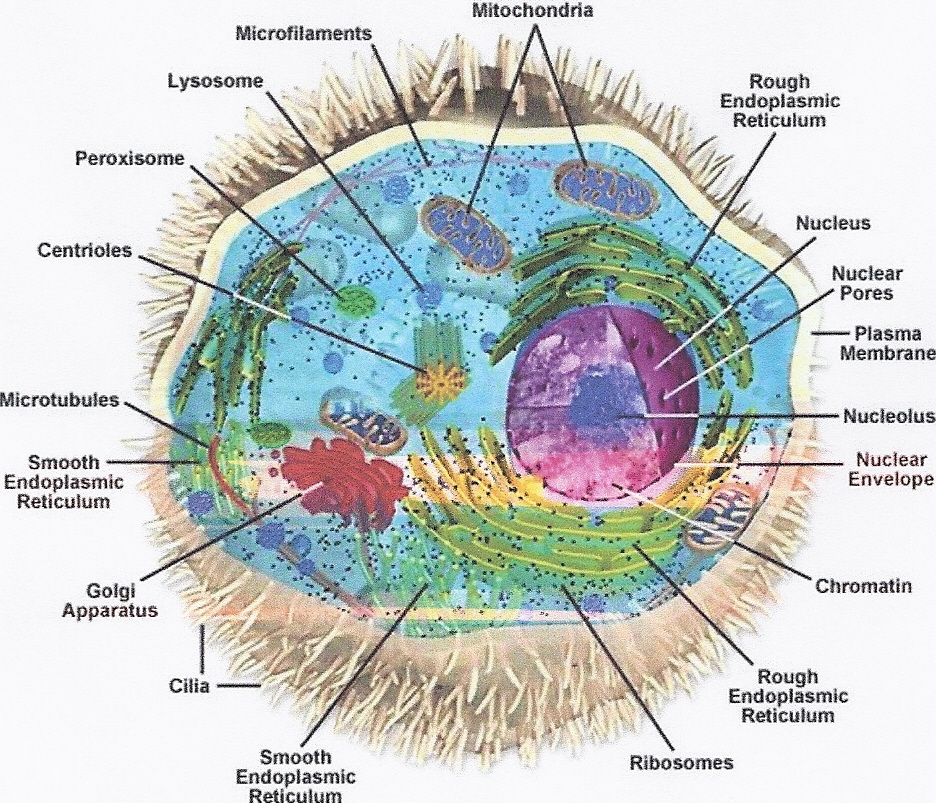
That said . . . it is not very often that a nutritional product comes on board that simply supports the health and vitality of the basic unit of our physical anatomy — the cell.  We’ve just finished a series of articles detailing the amazing micro-machinery and micro-chemistry of the human cell.  (Click on picture to enlarge it).  If you are just coming online with my blog, you’ll want to visit these articles in the archives and be entertained while learning about the intricate and incredible life of your body’s cells.

Must-see video clips Click here for a 3-minute ABC special report on the inner life of the cell.  For a full 8-minute show with music click here. And don’t miss viewing David Bolinsky’s 10-minute Fantastic Voyage Inside the Cell.  It is very well done and quite entertaining.

Cellular Vitality is the name of a gluten-free wholefood supplement made by Standard Process Labs.  It is a complex, synergistic blend of B vitamins, bromelain, mushroom, berry seeds, CoQ10, ginseng, and ribonucleic acid (RNA). These ingredients offer the opportunity to support the body as a whole, with emphasis on our cellular processes specifically. ($40/90 caps)

Cellular Vitality contains:

  • American ginseng, which acts as a body tonic for the byproducts of stress
  • B vitamins, to fuel cells and participate in numerous body processes that contribute to normal function
  • Berry seeds, which contain phytochemicals, like anthocyanidins and tannins, that aid cells during the normal wear and tear of everyday function
  • Bromelain, an enzyme complex from pineapple stems and juice that modulates the body’s natural inflammatory response when taken between meals
  • Coenzyme Q10, an enzyme that is essential for creation of energy within the mitochondria of cells, and that helps protect cells from free radicals
  • Cordyceps sinensis, a mushroom powder long prized in Traditional Chinese Medicine with a variety of bioactive compounds that contribute to fatigue management and blood sugar support
  • Ribonucleic acid (RNA), compounds that can be broken apart as cells to create energy or manufacture protein†
  • Proprietary Blend: 1,240 mg  Multi-fruit Seed Powder [Ruby grape seed, blueberry seed, cranberry seed, red raspberry seed, black raspberry seed, and pomegranate seed], ribonucleic acid, mushroom powder (Cordyceps sinensis), bromelain, and American ginseng (root)
  • Other Ingredients: Quinoa sprouts, cellulose, maltodextrin, and calcium stearate.

Ribonucleic acid (RNA) is a story unto itself.  Let me tell you about the benefits of this vitally essential molecule.  RNA is the memory chip in the brain . . . literally.  It is generated in the brain when there is interest.  It actually records the information, like the tape in a tape recorder or a silicon chip in a computer, and files it away for future recall.  If there is no interest in what is being seen or heard, then no RNA is generated . . . and that’s why we don’t remember things we are not interested in; also why we can recall information that piqued our interest.  I think that’s amazing.  Any wonder why a elderly person who has lost interest in life itself experiences a decline in memory? If we don’t use it we lose it, and there’s a biological and biochemical reason for loss of memory that can be addressed . . . with lifestyle changes as well as nutritional supplementation.

RNA serves other purposes in the body, such as in the process of protein synthesis.  It conveys the pattern for cellular replication from the DNA.  Watch the video clip and be duly impressed by the miracle of life going on inside each of your 100 trillion cells.  You’ll want to make sure you are doing all you can to help your cells do their job.

Parkinson’s disease is a sure sign of RNA deficiency.  Supplementing with RNA is absolutely vital to address this neurotransmitter disorder, which is simply a symptom of inadequate brain-cell regeneration.  We now know that brain cells do regenerate themselves.  They just take longer to do so than other body cells.

In the video clip you saw a computer model of how protein is manufactured in every cell.  Protein is the building block of every tissue in your body.  Now you can appreciate how vital it is to keep your cells healthy and happy.  Cellular Vitality will help you nourish your body cells so they can continue into your elder years to provide you with the protein building blocks to sustain tissue regeneration and the energy to get up each morning and engage life to the fullest.

A word about proteins.  As you saw in the video clip, these building blocks of the cells and tissues of the body are assembled within the cells by their micro-machinery.  Each protein molecule is composed of what are called “amino acids.”  These are the pieces that make up proteins.  Now, they are already assembled to make up animal proteins that we take into our bodies when we consume meat.  Therefore, they have to be dis-assembled in the digestive tract before they can be taken up into the blood stream and used by the cells to re-assemble them into protein strands for our bodies.  Hydrochloric acid is what the stomach parietal cells secrete to break down meat tissue.

That takes work and energy, which is part of the reason why we feel sleepy after eating a meal containing animal protein, especially beef.  It takes a lot of energy, for instance, just to make 2.5 pH hydrochloric acid from near neutral to slightly alkaline body fluids.  And you don’t want to dilute those stomach digestive acids by eating or drinking sweets with your meat meals.  Simply drink water, preferably at room temperature and with a squeeze of lemon. Lighter proteins, such as fish, eggs, and dairy are more easily broken down.

Now, don’t over heat proteins, such as eggs, as heat toughens proteins.  Soft-boiled, poached or scrambled lightly in a little olive oil and butter is a healthful way to prepare eggs.  If you like fried eggs, try over-easy or over-medium in a little olive oil and butter.  I mix a little butter in my olive oil to facilitate fat metabolism . . . and, of course, butter adds flavor!!! You haven’t had great scrambled eggs until you’ve scrambled them in a generous amount of real butter . . .  not margarine.  Stay away from margarine which is hydroginated vegetable oil and therefore rancid.  Rancid oils, such as in stale nuts and oils exposed to light and air, destroy tissue cells upon contact.  Not good! Better for your health to just toss them out and use fresh nuts and non-hydroginated oils.

We really should never cook meat in a microwave as it alters the molecular proteins in the meat. Microwaving is okay for warming but not for cooking foods, as it takes only a few seconds to heat up most foods in a microwave oven.

About olive oil:  I read recently that Pure Olive Oil has a longer shelf life than Virgin or Extra-virgin.  It’s best for cooking as  it doesn’t have as much of the raw materials that can easily oxidize as are in less-processed oils.   Virgin and extra virgin oils are more fragile and need to be kept in dark, air-tight containers.  It’s best to purchase them in smaller bottles even though you’ll pay more.  Think of your health first.  You don’t want to slaughter those precious little cells that are hard at work keeping you healthfully in form.

Now, in vegetables and legumes, amino acids are not so tightly assembled and are therefore more readily available to protein manufacturing in our body’s cells.  Supplementing amino acids in your diet is also a viable option.  Protefood  by Standard Process ($27/90 caps) would be a smart choice, as it contains all of the amino acids required to build protein.  It’s my product of choice for clients with hypoglycemia as it checks sugar craving and supports the adrenal glands.

Fresh nuts, especially almonds, are a great source of amino acids. Soak the almonds overnight in water to soften them and to activate their natural enzymes for easier digestion and assimilation.  Always chew nuts thoroughly to break down the meat and to mix in the digestive enzyme Pepsin, which activates hydrochloric acid in the stomach for protein digestion.

“Water, water everywhere but not a drop to drink!”

Let us not leave this consideration of the health and vitality of the cell without mentioning water.  Cells need water, both inside and outside.  They need pure, clean water that is easily consumed.  Acidity and toxins in tissue fluids around the cells cause them to close their intake pores and eventually die from thirst and starvation.  Poor quality of water can lead to fluid retention as the body attempts to dilute the acid with more water.

AC Carbamide is a wonderful product which Dr. Royal Lee, founder of Standard Process Labs in Palmyra, Wisconsin, formulated.  It actually neutralizes uric acid in the body fluids and joints and makes the cells more permeable to the flow of water in and out of the tissues.  I highly recommend it, especially for problems with gouty arthritis and fluid retention.  And with  CoQ10 for kidney and heart energy, you have a couple of team players working for you. AC Carbamide is a great anti-inflammatory as it addresses a common cause of inflammation: acidity of body fluids. ($18/90 caps)

Add 2 ounces of ASEA to your daily regimen and you have a comprehensive program for cell health and vitality.  Cells are happiest when they are able to communicate with the rest of the body.  Redox signaling molecules, now available in supplement form with ASEA, assures inter-cellular communication.

Well, that will do it for this post.  Plenty here to ingest and process  (pun intended).  I trust this article proves helpful to you in your health and wellness care.  Until my next post, then . . .

My best to your health and healing,

Dr. Tony Palombo

For more detailed information on products mentioned in my blogs, Google Standard Process or click here.

To order products and for information about dosages, simply drop me an email at tpal70@gmail.com, or call me at 337-802-5510.  

Visit my second blog:  Healing Tones

The Healing Process: Role of the Redox Signaling Molecule

Redox Regulation of the Healing Process – New Science

We have come to the crux of our considerations around the Healing Process.  In this post we will see exactly how the healing process works and what players are involved.  Again, Dr. Gary Samuelson will tell the story in his own easy-to-read words.  We will start with two video clips: one of the process called “Covalent Bonding” and the other on how free radicals and antioxidants work in order to help us better understand how “free radicals” (oxidants) do their damage and how the antioxidants neutralize and disarm them by a simple exchange of electrons between “oxidants” (electron donors ) and “reductants” (electron acceptors).  At the end of the day, restoration of balance is the goal of the healing process, as we shall see, and the “villains” of the free radicals turn out to be essential players in the process of maintaining homeostasis.  This, I promise, will be a fascinating read.  Enjoy!  (Newcomers to my blog would enjoy reading the previous posts in this series on The Healing Process for background information.)

Video clips: Covalent Bonding (4:32), Free Radicals vs Antioxidants  (4:30)

Redox Regulation of the Healing Processes-New Science

Emerging science from the past five years has solidly established that the chemical balance of small reactive redox messengers is essential to the healing process and the regulation of the immune system. These small reactive “redox” molecules participate in the same homeostatic balancing act that is used to balance the proper amount of the various proteins inside the cell (as we already have discussed). These redoxmessengers are constantly being produced, mostly by the mitochondria in the cells, and then constantly being eliminated at the same rate by a variety of protective enzymes (generally called antioxidants“) that are strategically stationed inside and outside of the cells.

Let us more closely examine these reactive “redoxmessengers for a minute. They are made from simple rearrangements of the atoms in H20, NaGI and N2 and are put together by special molecular complexes in the cell. Some examples of redox signaling molecules are H202, H02, HOCI and NO. About half of the redox messengers can be categorized as oxidantsand the other half, in fairness, can be categorized as “reductants.”  “Reductants” is a contrived nickname, the official name being energetic “electron acceptors.Oxidants, incidentally, can also be referred to as energetic “electron donors” in the same sense.

Not much is said about “Reductants” in the literature. In fact this nickname was just fashioned to be able to talk about this group of electron acceptors in this booklet. The basic concept, however, is very familiar to chemists and physicists. The laws of conservation of charge, mass and energy dictate that every time an oxidant is made from a neutral solution, a reductant or combination of reductants must concurrently be made to counterbalance it. The electron acceptors must balance out the electron donors. The ability of the resulting molecules to oxidize or reduce the molecules in their environment is referred to as the “redox” potential, a key player and motivator for all of the chemical reactions that take place in nature.

The name “redoxitself comes from the ability of these messengers to “REDuceand/or “OXidizemolecules in their environment. Reduction and oxidation are chemical terms that relate to the potential that the molecules have to “give away(oxidize) or accept(reduce) electrons to and from other molecules in their environment. As mentioned, all chemical reactions taking place in the cell depend on this redox potential in order to happen. Redox messengers have the ability to change the redox potential of their environment, thereby altering the chemical reactions that take place. Strong reductants and oxidants can both be harmful and destructive to the cell if they are allowed to wander around at will.

The oxidants, in particular, have made a really bad name for themselves; several of them are free radicals that have high energy, unpaired electrons that will blow apart whatever they come into contact with (like tiny molecular cannons). Oxidants will damage DNA, blow holes in cellular membranes, destroy important proteins, etc. The reductants are also hazardous, they will grab electrons away from molecules (with the ferocity of small molecular sharks), thereby causing destruction. To be perfectly clear, reductants are not antioxidants. Reductants are simply the chemical counterparts of oxidants (much like acids and bases). Antioxidants, on the other hand, are a class of much larger organic molecules produced by genetic coding that act as catalysts capable of facilitating the reverse chemical processes needed to ultimately untie” and neutralize both the oxidants and the reductants. Antioxidant cycles require both oxidants and reductants in order to work correctly.

Let us focus on the antioxidants for a minute. The antioxidants were historically considered as the heroes of the cell because they broke down the harmful oxidants by pulling them in and neutralizing them together with reductants, leaving just common harmless sea-water molecules in their wake. Over an antioxidant cycle (some of which are complex multi-step processes) the oxidants and reductants are neutralized [view clip], however the antioxidant itself remains unchanged, ready to do it all over again to the next set of oxidants and reductants. The antioxidant in this sense is a catalyst that speeds up the neutralization of oxidants with reductants and yet of itself remains unchanged. You can think of an antioxidant as a black box: reactive and potentially dangerous oxidants and reductants go into the box and harmless neutral sea-water molecules come out.

Ironically, the oxidants (that historically have been thought to be the villains) are now seen as central players to the healthy function of the cells. We have recently learned that we would not be able to live without either the reactive oxidants or the reductants. The truth be told, these tiny reactive molecules play an absolutely essential messenger role in our cells and tissues [my underscore]. The most critical aspect of healthy redox-messenger balance is in that the oxidants and reductants must be produced and eliminated in perfectly-balanced and equal portions. As long as there are equal portions of oxidants and reductants in the interior or exterior of the cell, the antioxidants can readily neutralize them both as fast as they are created. As discussed, the antioxidants need equal portions of oxidants and reductants in order to function, in the case of Glutathione (an abundant antioxidant made in our cells). The large mouth of the relatively huge antioxidant molecule lures in a reductant (that is electron hungryand then lures in an oxidant (that has an energetic electron to donate) and then pulls them both together into the “active site” in the middle. At the active site, the reductant and oxidant are combined together, neutralizing them both. The resulting harmless molecules float away.  The antioxidant is then free to do it all again. If there is an ample supply of reductants and oxidants in the neighborhood, one antioxidant molecule can typically neutralize tens of millions of oxidant molecules every second, as measured in the lab.  [Emphasis and underscores mine]

This was a eye-opener for me when I first read it, and I believe it is crucial to a better understanding of homeostasis.  There are no “good” and “bad” players in this microcosm of the biological universe that comprises our bodies.  There’s only “appropriate” and “inappropriate” based on place and timing, balance and imbalance.  To quote a poet friend and colleague, “Nothing is wrong.  Everything matters.”  

The antioxidants are purposefully manufactured, sent to and positioned around the areas of the cell, such as the nucleus, that are vulnerable to oxidative damage. As equal portions of oxidants and reductants approach these protected areas, the antioxidants standing guard around these areas pull them in and neutralize them both. The antioxidants are thus able to keep these potentially harmful reactive molecules away from protected areas and corral and use them for their own best purposes. Consequently, the immune system uses large amounts of such oxidants, along with strong demolition enzymes, as its weapon of choice against harmful invading bacteria and viruses. The foreign invaders do not even stand a chance against these potent weapons. After the invaders have been torn apart and destroyed by the enzymes and oxidants, the surrounding antioxidants standing guard and other enzymes clean up the mess, toxins and hazards.

THE HEALING PROCESS DESCRIBED

The key to understanding how this redox balancing process helps the body heal itself comes when considering what happens when the cells become damaged or defective for some reason or another. There are thousands of different processes with thousands of different proteins taking place everywhere inside the cell. When something is not working right, how does the cell detect the damage? The answer lies in the fact that as the normal homeostatic balance that exists in healthy cells is disturbed, somewhere in the cell there is either a build-up or deficiency of the normal quantity of proteins. There is a high probability that this
grow
ing imbalance will at some point make the metabolism of sugars less efficient. When this happens, the redox-messenger production in the mitochondria becomes unbalanced, producing many more oxidants than reductants or vice versa. In other words, the damage will ultimately manifest itself as a buildup of oxidants or reductants. This condition is called “oxidative stress” and is a real phenomenon seen (under the microscope) to occur in almost all defective or stressed cells (in both animals and plants).

An imbalance in the redox messengers, usually manifesting itself as oxidative stress, sends a clear signal that damage has occurred somewhere and that the cell is defective. The excess oxidants are not balanced by reductants and cannot be effectively neutralized by antioxidants. These oxidants end up causing even more damage to other parts of the cell. This clear signal for help causes the DNA to code for the “fixit crew” and cytokine messengers that are sent out to alert the immune system. If this imbalance (oxidative stress condition) is not corrected by the attempts of the fixit crew, the oxidants continue to build up. Then after about two hours, the fatally damaged cell starts a “programmed cell suicide” cascade (apoptosis) that will end up with the cell killing and dismantling itself. This is not a bad thing. Normal healthy neighboring cells will then be able to divide in order to fill in the vacancy. On the microscopic scale, this is essentially the healing process. [my underscore]

The oxidative stress condition in a stressed or damaged cell also causes the DNA to code for messengers to be sent to neighboring cells, advising them of its condition. Redox messengers can also be used as these intercellular messengers. If the damaged cell, such as those found in tumors, is not able to kill itself, then its neighboring healthy cells will send back “death domain” messengers as well as distress messengers to the immune system that will either cause the damaged cell to die or to be attacked by the immune system. This system is regularly used to detect and destroy practically all of the damaged and dysfunctional cells in the body. Remember, it only takes one undetected dysfunctional cell, out of the trillions that are successfully detected and killed, to start seeding an abnormal growth.”

This brings our series to a turning point.  The posts that will follow will look at the role of the immune system in healing and how this system is activated by the Redox Signaling Molecules.   View this video clip to prepare for the next consideration.

Clip:  The Healing Revolution – the Science Behind ASEA.

To your health and healing,

Dr. Tony Palombo

For information on ordering ASEA, click here.


The Healing Process: Signaling Messengers and Diabetes

Redox Signaling Messengers

Like any community, the body cells depend on communication for their coordinated and harmonious function together. Communication depends on messengers, both inside the cell between the various actors and “micro machines”  and outside the cell between the one-hundred-billion cells that compose our bodies.  These next few posts will be about these messengers, most recently discovered among them being the Redox Signaling Messengers that turn out to be a most important players in the healing process.  We will have a look at a very significant scientific breakthrough in the field of health and healing.  Again, we will call upon Dr. Gary L. Samuelson to help us envision and understand the Healing Process as he presents it in his recently released booklet, The Science of Healing Revealed – New Insights into Redox Signaling.

How the Actors Work Together – The Signaling Messengers

So far in our abbreviated organization chart, a small sample of the cast of actors has been put together in order to provide a tiny taste of what they look like and what they do. There are thousands more (not listed, thankfully) that fill major roles inside and outside the cell; and the list is growing every day as new actors and roles are being discovered. The real story, however, lies not so much in what they look like or what their job description is, but in how they interact with each other and how they determine when and where to do their job.

For the most part, the cellular micro machinery is controlled by the various signaling messengers, as has already been mentioned, that go about carrying messages inside the individual cells (intracellular communication) as well as carrying messages between the cells (intercellular communication). As has also been mentioned, the very identity and behavior of the cell depends on the quantities and types of messengers being passed around in its surrounding environment.

The inner-cell (intracellular) messengers float around inside the seawater solution (cytosol) inside the cells. There are generally two types of intracellular messengers: (1) protein messengers that are coded by the DNA and built, delivered, passed around and modified by enzymes and cellular machinery and (2) a recently discovered network of messengers called “redox signaling and regulation” messengers made out of small, highly reactive molecules (ROS and RS) that are formed by the REDuction” and “OXidation'” (redox) of the very sea-water bath that surrounds all of this cellular machinery. These messengers modify the behavior of the machinery by changing the chemical potential in the salt-water environment where all of this machinery exists. Since these “redox” messengers are integrally involved in the healing process, they will be the topic of further investigation in this booklet.

The between-cell (intercellular) messengers are passed back and forth between cells. In order for them to work they must be able to leave one cell and “latch onto” or pass into surrounding cells. There are specific places built into the outer membranes of the cells, called “receptors” and “co-receptors,” where these messengers are allowed to “latch onto” the outside of the cell. Each different type of messenger molecule (called agonist) has its own custom-built latch (receptor) that allows it to pass a signal into the cell.

In many cases, the receptor itself, when latched, will cause intracellular messengers to be released to continue carrying the message into the cell. Most cells are stuck together with a scaffolding of adhesive molecules that allow messages to more easily be passed around among neighboring cells.

Redox messengers are able to alter the chemistry of the receptor latches that can either enhance or inhibit their ability to latch onto their messengers and pass messages into the cell. Sometimes the presence of these redox messengers themselves will spontaneously trigger a receptor to send messages into the cell.

In my next post we will explore further some amazing technology that has made it possible for us to enhance intra-and-inter-cellular communication.  Before leaving my blog, take a few minutes to view this video clip on the Redox Signaling Molecule (5 min).

Besides giving a visual demonstration of how these signaling messengers work, this clip presents recent groundbreaking technology that is being used to stabilize these highly reactive molecules outside the body and then use them as bio-active, non-toxic agents inside the body to assist in the healing process.

The end result of this research is a formulated “water” called “ASEA” that is now available to the public through network marketing.  I have become an associate distributor of this product because of the great promise it holds for my patients and clients at a foundational level in their healing and health maintenance, offering new solutions to longevity and quality of healthful living.  It also gives people a tool they can use safely and obtain directly from the company without the requirement of becoming a network marketer themselves, although that is available as well as a home-based business with minimal investment.  So, enjoy the clip! Until next week then, my best wishes . . .

To your health and healing,

Dr. Tony Palombo

For more information about ASEA and ordering instructions, simply click here.


Here’s a bonus for my readers concerned with their blood sugar levels and diabetes: The 39-day cure for Type II Diabetes.

The Healing Process: The Cell, Part 3 Communication

The Signaling Messengers

We’ve been entertained and edified by the inner life of the cell — how it’s “micro machinery” makes protein molecules from amino acids in the ribosomes and produces its own energy (ATP) in the mitochondria.  We will now move on to learn how these inner parts of the cells communicate with one another, as well as how the cells communicate among themselves and with the various systems of the body.  Again, I will call upon Dr. Gary Samuelson to help tell the story from his booklet The Science of Healing Revealed – New Insights into Redox Signaling.

Looking at the simple molecular keys that control the kinase fuel gates that energize the machinery in the living cell gives us a first glimpse at a very important class of molecules and proteins that act as messengers that are sent off to make sure specific things happen or do not happen. As can be imagined, these signaling messengers serve a very important role in the working of the cells. They send signals between the machinery in the cell that determines how the cell’s machinery operates and responds to the normal changes in its environment as well as drastic alarms like threats, damage, lack of oxygen, changes in temperature, the arrival of a nerve signal, etc. They can also be sent as long distance messengers to send signals between cells and tissues, as well as general messengers released into the blood and lymph that affect the working of whole systems throughout the entire body, like adrenaline for example. A few of these are listed below. The rest of this booklet, however, is focused on the emerging science that explains, in part, how signaling messengers do what they do and the processes that keeps them controlled and balanced when the body is healthy.

Redox messengers – Reactive Oxygen Species (ROS) and Reduced SpeCies (RS) — The smallest and most fundamental universal signaling molecules in the body are the simple but extremely important reactive molecules that are formed from combinations of the atoms (Na, CI, H, 0, N) readily found in the salt water bath that fills the inside of the cells (cytosol). All of life’s players mentioned so far float around in this bath and can be surrounded by a balanced mixture of these reactive molecules…. “

Dr. Samuelson lists a few of these reactive molecules, such as Superoxide,  Hydrogen Peroxide, Hypochiorous Acid, Nitric Oxide, only four of some 20 of them.  Then there are these players:

Charged metal ions Their movement alone makes the electric current that carries signals along our nerves and muscles. They also play signaling roles in hundreds of different life processes. Three examples or these are the Calcium ion (Ca2+), the Potassium ion (K+) and Sodium ion (Na+).

Cytokines  – The messengers that activate and regulate the immune system, controlling inflammation, white blood cell movement and natural cell death; Interleukins (regulate immune cells); Interferons (identify invaders,viruses).

Then there are the Endocrine messengers that control and regulate digestion, metabolism and organ function: Adrenaline, Insulin, Gastrin.  And the Hormone messengers that determine tissue growth and reproductive function: Testosterone, Estrogen and Progesterone.

Another group of fascinating players in the life of the cell are what are called the “Transcription Factors. These messengers cause the DNA inside the nucleus to call for increased production or reduction of certain specific proteins: NF-kappaB calls for inflammation; NRF2 calls for antioxidants; and TNF calls for tumor death.

Enzymes – the “break-it-down clean-it-up and recycle-it crew.”

There are enzymes in the cell that are assigned to the clean-up and recycling crew. They speed up the elimination of the cell’s “garbage,” breaking down the unneeded or excess molecules into smaller useful components.  Without these enzymes we would quickly die from the accumulation of excessive and possibly harmful unneeded molecules inside the cells.  They also protect the cells by breaking down toxins that come in from the outside environment.

In a very real sense, these enzymes are more than just the garbage disposal crew, they form an indispensable part of the system that maintains the chemical balance needed to sustain all of the life-critical processes that take place inside the cells. In the cell, molecules (large and small) are constantly in the process of being built up from smaller pieces and then torn back down into smaller pieces again.

Antioxiants – “The clean-up crew that is placed strategically in the cell, like guardians, to break down and eliminate the oxidants that would otherwise accumulate and cause damage.” They are: Glutathione Peroxldase (GPx) that breaks down various oxidants (free radicals), Superoxide Dismutase (SOD) that breaks down superoxides, and Catalase that breaks down hydrogen peroxide.

ProteasesThe large protein break-it-down crew, used as digestive enzymes to break down food and used by cells to break down unneeded or defective proteins.  They are Trypsin, Chyotrypsin and Pepsinogen.

Other “Staff Members” are: Collagen, Cholesterol, Glucose, Triglycerides, Prostaglandin, Quinine, Oleic Acid, Cocaine, Caffeine, Levidopa, and Histamine.

As we can see, there are many and varied types of “actors” playing various and sundry roles to make life possible in our bodies so that we can live and serve in this earthly plane of existence.  It’s helpful to have them placed in a context the way Dr. Samuelson does in his booklet.

In my next post we will learn how all these actors work together via the signaling messengers, whose crucial role it is to keep all the actors in touch with one another and all the systems of the body well-informed on what’s going on with each part and within the whole body. Then we will be prepared to study and learn the important role chemical balance plays in the healing process, and how the body keeps everything balanced.  Until then,  if you haven’t viewed it already, take the time now to enjoy David Bolinsky’s “Fantastic Voyage Inside the Cell” (10 min).

My best to your health and healing,

Dr. Tony Palombo


The Healing Process: Chemical Balance

CHEMICAL BALANCE AND HEALING

I trust you are enjoying these articles exploring the the anatomy and physiology of the cell in the context of The Healing Process.Now that we know how the cells make protein and generate their own energy (ATP), let’s look at what role chemical balance plays in the Healing Process.  Dr. Gary Samuelson explains it in layman’s language in his booklet The Science of Healing Revealed – New Insights into Redox Signaling.

The Chemical Balance-How the Body Keeps it all Balanced

Once a protein messenger has delivered its message, it does not “live” very much longer to continue sending more messages. The cells manufacture enzymes (protease “break-down crews”) that quickly disassemble the messenger proteins and recycle their parts (Amino Acids). Thus an adrenaline “burst” lasts only as long as it takes for the protease crews to break down the excess adrenaline in the blood; after which the normal adrenaline balance in the blood is restored. In the body, the phrase, “kill the messenger,” takes on a whole new meaning.

This process of continuous production and subsequent elimination of molecules is not restricted only to the messenger proteins. A careful chemical balance is maintained for hundreds of thousands of types of molecules in every cell that depends on a stable condition where the rate at which the molecules are being produced is the same as the rate that they are taken apart elsewhere. This kind of a balance is called a homeostatic balance. The secret behind almost all biological processes lies in how the body works to maintain this balance.

When the homeostatic balance inside any cell is disturbed, there is either a build-up or a depletion of certain types of molecules. This growing unbalanced condition triggers the cell to respond. If there is a deficiency of a certain type of molecule, the cell can respond by increasing production of this molecule. If there is an excess amount of a certain molecule, it can increase the production of the enzymes that break down this molecule, thus helping to eliminate the excess. The cell can also take a more complex course of action and send out messengers that will help correct a possible problem, or it can even signal for a series of more complex processes that will help the cell adjust to adverse conditions. If the action is successful, then the normal balance will be restored and all is well.

One example of this balancing act is “blood sugar” levels. If the blood sugar level goes up, then the pancreatic beta cells respond by producing more insulin. These insulin messengers speedup the sugar metabolism machinery in the body, causing it to burn some sugar and store the rest as fat. As the blood sugar level decreases, the rate of insulin production also decreases. The elevated amount of insulin in the blood triggers the production of the insulin clean-up crew enzymes. The blood insulin level will eventually go back to normal levels as the excess insulin broken down and removed by these enzymes.

It is interesting to note that if too much sugar is placed in the blood all at once (due to eating easily digestible carbohydrates and sugars, such as white breads and candy bars), the pancreatic beta cells are stressed to work extra hard and they end up producing too much insulin. Since the gross excess of insulin takes a while to clean up, it often happens that too much of the blood sugar is processed and blood sugar levels drop well below normal. This deficiency in blood sugar triggers the production of “hunger” messengers. If this cycle is continued, [and consumption of sugar and carbohydrates is how one alleviates one’s sugar cravings], it may cause obesity and may also lead to over stressing and killing the pancreatic beta cells that produce insulin, causing diabetes (insulin dependent Type I). The body is not built to handle too much blood sugar all at once.

Type II diabetes occurs when the receptor sites of the cells for insulin messengers become saturated, creating the condition of “insulin resistance.”  The only way to free up the insulin receptor sites is to stop the production of insulin by fasting from insulin spiking carbohydrates and sugars completely for 30 days, then ease back on a moderate intake of such foods as white rice, white bread, candy, sugar, Irish potatoes, pasta, bananas and other sweet fruit (plums, prunes and blueberries are okay). Refined carbohydrates the body can do without altogether as they simply do more harm than good.  Click here for proof this works.

The key to health is to make sure the cells have the raw materials they need to maintain a healthy chemical balance in the machinery that keeps them alive. If the cells are healthy, consequently the whole body is in good health. Good health then lies in being able to sustain a healthy chemical balance.

Of course, it is not possible to maintain perfect health all of the time. Eventually, some of the cells that make up the body will be damaged by injuries, infections, age, the sun, radiation, cold, heat, external toxins and even physical exertion. In fact, the cells in the body are undergoing damage all of the time; thus the body has developed methods to heal itself and thereby restore and maintain healthy balance throughout the whole organism.

Our next consideration will be “Redox Regulation of the Healing Process — New Science.”   Enjoy this video clip on covalent bonding before leaving my blog which will help you understand the chemistry involved in free-radical damaging to healthy cells and the process by which they are neutralized by antioxidants.  Until next week, then, my best. . .

to your health and healing,

Dr. Tony Palombo