Cellular Vitality

The Cell Picture

Your body is only as healthy and energetic as its cells.  Feed them well and feel your best ever.

This article is of paramount importance to your health. I encourage you to receive the product information included here with an open mind and with disengaged “spam filters.”   I use the highest grade of wholefood supplements and herbs in my professional coaching service.  What I offer here is primarily intended to benefit the health of my blog readers.  I am most thankful for the honest income I receive from any sales, but not as much as for the grateful  response I receive form clients who benefit from the supplements I recommend and they are compliant in taking as recommended.  Their price merely reflects their benchmark quality and unwavering effectiveness.  

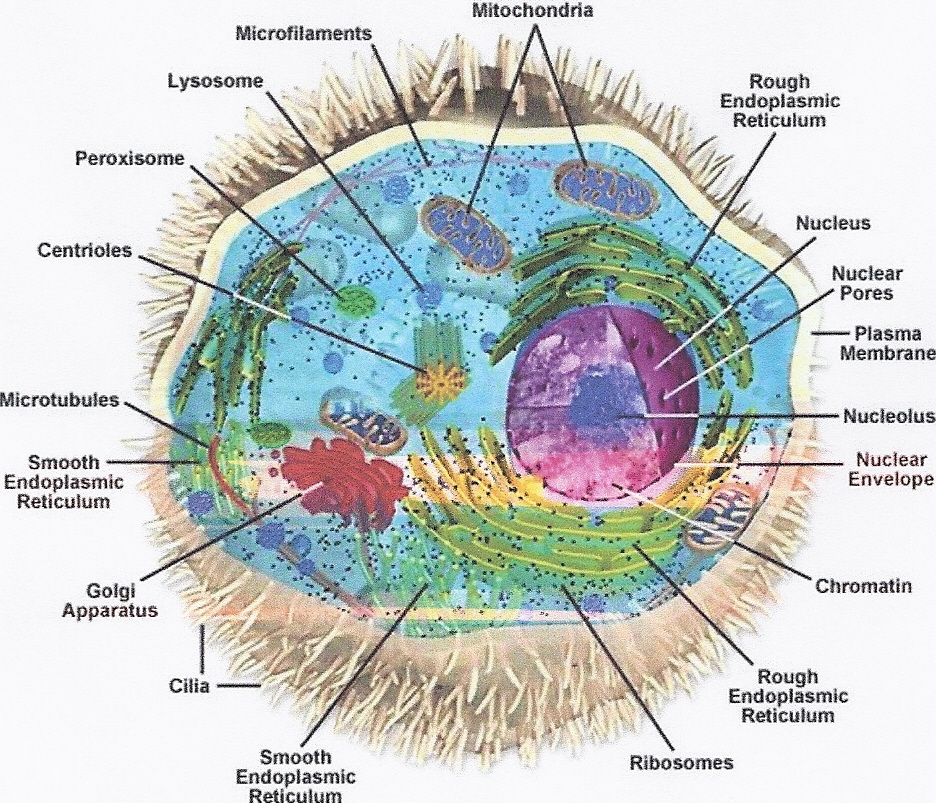
That said . . . it is not very often that a nutritional product comes on board that simply supports the health and vitality of the basic unit of our physical anatomy — the cell.  We’ve just finished a series of articles detailing the amazing micro-machinery and micro-chemistry of the human cell.  (Click on picture to enlarge it).  If you are just coming online with my blog, you’ll want to visit these articles in the archives and be entertained while learning about the intricate and incredible life of your body’s cells.

Must-see video clips Click here for a 3-minute ABC special report on the inner life of the cell.  For a full 8-minute show with music click here. And don’t miss viewing David Bolinsky’s 10-minute Fantastic Voyage Inside the Cell.  It is very well done and quite entertaining.

Cellular Vitality is the name of a gluten-free wholefood supplement made by Standard Process Labs.  It is a complex, synergistic blend of B vitamins, bromelain, mushroom, berry seeds, CoQ10, ginseng, and ribonucleic acid (RNA). These ingredients offer the opportunity to support the body as a whole, with emphasis on our cellular processes specifically. ($40/90 caps)

Cellular Vitality contains:

  • American ginseng, which acts as a body tonic for the byproducts of stress
  • B vitamins, to fuel cells and participate in numerous body processes that contribute to normal function
  • Berry seeds, which contain phytochemicals, like anthocyanidins and tannins, that aid cells during the normal wear and tear of everyday function
  • Bromelain, an enzyme complex from pineapple stems and juice that modulates the body’s natural inflammatory response when taken between meals
  • Coenzyme Q10, an enzyme that is essential for creation of energy within the mitochondria of cells, and that helps protect cells from free radicals
  • Cordyceps sinensis, a mushroom powder long prized in Traditional Chinese Medicine with a variety of bioactive compounds that contribute to fatigue management and blood sugar support
  • Ribonucleic acid (RNA), compounds that can be broken apart as cells to create energy or manufacture protein†
  • Proprietary Blend: 1,240 mg  Multi-fruit Seed Powder [Ruby grape seed, blueberry seed, cranberry seed, red raspberry seed, black raspberry seed, and pomegranate seed], ribonucleic acid, mushroom powder (Cordyceps sinensis), bromelain, and American ginseng (root)
  • Other Ingredients: Quinoa sprouts, cellulose, maltodextrin, and calcium stearate.

Ribonucleic acid (RNA) is a story unto itself.  Let me tell you about the benefits of this vitally essential molecule.  RNA is the memory chip in the brain . . . literally.  It is generated in the brain when there is interest.  It actually records the information, like the tape in a tape recorder or a silicon chip in a computer, and files it away for future recall.  If there is no interest in what is being seen or heard, then no RNA is generated . . . and that’s why we don’t remember things we are not interested in; also why we can recall information that piqued our interest.  I think that’s amazing.  Any wonder why a elderly person who has lost interest in life itself experiences a decline in memory? If we don’t use it we lose it, and there’s a biological and biochemical reason for loss of memory that can be addressed . . . with lifestyle changes as well as nutritional supplementation.

RNA serves other purposes in the body, such as in the process of protein synthesis.  It conveys the pattern for cellular replication from the DNA.  Watch the video clip and be duly impressed by the miracle of life going on inside each of your 100 trillion cells.  You’ll want to make sure you are doing all you can to help your cells do their job.

Parkinson’s disease is a sure sign of RNA deficiency.  Supplementing with RNA is absolutely vital to address this neurotransmitter disorder, which is simply a symptom of inadequate brain-cell regeneration.  We now know that brain cells do regenerate themselves.  They just take longer to do so than other body cells.

In the video clip you saw a computer model of how protein is manufactured in every cell.  Protein is the building block of every tissue in your body.  Now you can appreciate how vital it is to keep your cells healthy and happy.  Cellular Vitality will help you nourish your body cells so they can continue into your elder years to provide you with the protein building blocks to sustain tissue regeneration and the energy to get up each morning and engage life to the fullest.

A word about proteins.  As you saw in the video clip, these building blocks of the cells and tissues of the body are assembled within the cells by their micro-machinery.  Each protein molecule is composed of what are called “amino acids.”  These are the pieces that make up proteins.  Now, they are already assembled to make up animal proteins that we take into our bodies when we consume meat.  Therefore, they have to be dis-assembled in the digestive tract before they can be taken up into the blood stream and used by the cells to re-assemble them into protein strands for our bodies.  Hydrochloric acid is what the stomach parietal cells secrete to break down meat tissue.

That takes work and energy, which is part of the reason why we feel sleepy after eating a meal containing animal protein, especially beef.  It takes a lot of energy, for instance, just to make 2.5 pH hydrochloric acid from near neutral to slightly alkaline body fluids.  And you don’t want to dilute those stomach digestive acids by eating or drinking sweets with your meat meals.  Simply drink water, preferably at room temperature and with a squeeze of lemon. Lighter proteins, such as fish, eggs, and dairy are more easily broken down.

Now, don’t over heat proteins, such as eggs, as heat toughens proteins.  Soft-boiled, poached or scrambled lightly in a little olive oil and butter is a healthful way to prepare eggs.  If you like fried eggs, try over-easy or over-medium in a little olive oil and butter.  I mix a little butter in my olive oil to facilitate fat metabolism . . . and, of course, butter adds flavor!!! You haven’t had great scrambled eggs until you’ve scrambled them in a generous amount of real butter . . .  not margarine.  Stay away from margarine which is hydroginated vegetable oil and therefore rancid.  Rancid oils, such as in stale nuts and oils exposed to light and air, destroy tissue cells upon contact.  Not good! Better for your health to just toss them out and use fresh nuts and non-hydroginated oils.

We really should never cook meat in a microwave as it alters the molecular proteins in the meat. Microwaving is okay for warming but not for cooking foods, as it takes only a few seconds to heat up most foods in a microwave oven.

About olive oil:  I read recently that Pure Olive Oil has a longer shelf life than Virgin or Extra-virgin.  It’s best for cooking as  it doesn’t have as much of the raw materials that can easily oxidize as are in less-processed oils.   Virgin and extra virgin oils are more fragile and need to be kept in dark, air-tight containers.  It’s best to purchase them in smaller bottles even though you’ll pay more.  Think of your health first.  You don’t want to slaughter those precious little cells that are hard at work keeping you healthfully in form.

Now, in vegetables and legumes, amino acids are not so tightly assembled and are therefore more readily available to protein manufacturing in our body’s cells.  Supplementing amino acids in your diet is also a viable option.  Protefood  by Standard Process ($27/90 caps) would be a smart choice, as it contains all of the amino acids required to build protein.  It’s my product of choice for clients with hypoglycemia as it checks sugar craving and supports the adrenal glands.

Fresh nuts, especially almonds, are a great source of amino acids. Soak the almonds overnight in water to soften them and to activate their natural enzymes for easier digestion and assimilation.  Always chew nuts thoroughly to break down the meat and to mix in the digestive enzyme Pepsin, which activates hydrochloric acid in the stomach for protein digestion.

“Water, water everywhere but not a drop to drink!”

Let us not leave this consideration of the health and vitality of the cell without mentioning water.  Cells need water, both inside and outside.  They need pure, clean water that is easily consumed.  Acidity and toxins in tissue fluids around the cells cause them to close their intake pores and eventually die from thirst and starvation.  Poor quality of water can lead to fluid retention as the body attempts to dilute the acid with more water.

AC Carbamide is a wonderful product which Dr. Royal Lee, founder of Standard Process Labs in Palmyra, Wisconsin, formulated.  It actually neutralizes uric acid in the body fluids and joints and makes the cells more permeable to the flow of water in and out of the tissues.  I highly recommend it, especially for problems with gouty arthritis and fluid retention.  And with  CoQ10 for kidney and heart energy, you have a couple of team players working for you. AC Carbamide is a great anti-inflammatory as it addresses a common cause of inflammation: acidity of body fluids. ($18/90 caps)

Add 2 ounces of ASEA to your daily regimen and you have a comprehensive program for cell health and vitality.  Cells are happiest when they are able to communicate with the rest of the body.  Redox signaling molecules, now available in supplement form with ASEA, assures inter-cellular communication.

Well, that will do it for this post.  Plenty here to ingest and process  (pun intended).  I trust this article proves helpful to you in your health and wellness care.  Until my next post, then . . .

My best to your health and healing,

Dr. Tony Palombo

For more detailed information on products mentioned in my blogs, Google Standard Process or click here.

To order products and for information about dosages, simply drop me an email at tpal70@gmail.com, or call me at 337-802-5510.  

Visit my second blog:  Healing Tones

The Healing Process: Series Summary Finale

THE ROLE OF THE REDOX SIGNALING MOLECULES

We have been considering the healing process in a series of articles, reviewing atomic physicist Dr. Gary Samuelson’s booklet The Science of Healing Revealed. This final installation in the series will rap up our summary of the series and review the role of the Redox Signaling Molecules in the healing process.  Enjoy!

Cleaning Up the Mess

Let us take a look once more at the cell’s clean-up crew and how important they are to the healing process. These special enzymes (proteases and antioxidants) are made to rip apart the molecules that make up the micro machinery, messengers and reactive molecules of the cell and recycle their pieces. Without them, garbage would build up everywhere inside and outside of the cells and the cells would soon die. Besides, the homeostatic balancing act in the cell absolutely depends on them. The cell is constantly manufacturing new molecules and requires a crew to take the old ones apart in order to maintain this balance.

The clean-up crew also has the job of cleaning up all of the “toxins” (left-over proteins) after the immune system or programmed suicide has kilted invaders or dysfunctional cells. In this sense, they form an essential part of the immune system also.

Regeneration of Lost Tissues

After the damage has been cleaned up and the oxidative stress condition has been corrected by eliminating the excess oxidants, there is still the job of replacing the cells that have been lost. You get the mental picture of many rows of ordered cells with holes and large gaps in them where cells have died and been cleaned up. The reconstruction is done by the cells that are surrounding the holes and gaps. Since cells are constantly sending messages back and forth between neighbors, they notice when one of their neighbors is missing. After the emergency distress condition is over in the neighborhood, the intercellular communication channels are reinforced and the holes become obvious to the neighboring cells. The cells are also free to divide and reproduce again.

At that point, the healthy neighboring cells start to divide in order to fill in the gaps, reconstructing new tissues as they go. If ample blood supply is not available for the new cells, they send out distress messengers that will cause new blood vessels to grow to supply them. The job is done when each of the cells is surrounded by their regular group of neighbors. This same simple reconstruction condition also applies to growing tubular blood vessels that supply the cells, the ring of leading cells will continue to divide and build the vessel until it encounters another blood vessel to link into.

Oxidants Play Central Roles as Messengers

How interesting it is when we can trace all of the complex mysteries of the healing process back to a simple set of rules that each of the cells follow. How interesting it is to discover the huge and important role that oxidants and antioxidants have in this healing process. When damage occurs, the oxidants become the red flags that mark out where and how much damage has been done. What would happen if the oxidants were not there to flag the damage?

Toxins, radiation, infections, cuts, scrapes, bruises, oxygen starvation and any other form of damage would go undetected and neglected without oxidants. Healing would be Impossible. It is this continual balance between the production of oxidants and reductants and their eventual elimination by the antioxidants that allows the cells to react to the damage. It is the response to the resulting imbalance of oxidants (or oxidative stress) that allows the cells and tissues to respond and heal themselves.This is the new picture emerging from the biosciences on healing.”   

This completes our series on the Healing Process.  I trust you have a better understanding of and a deeper appreciating for the healing process and the essential role the Redox Signaling Molecules play in it.  Enough, anyway, to motivate you toward ordering a couple of bottles of ASEA and keep a supply on  hand throughout the year.  Just 2 oz a day,  served up in a glass container (not metal or plastic) and taken on an empty stomach, will supply your body-cells with ample signaling molecules throughout the day. Click HERE to place your order.  

I want to thank you for your business and for following my blog.  We’re off to Colorado for three weeks vacation.  This will give you a chance to catch up with articles you haven’t had time to read or finish yet. I apologize for their length, but I wanted to be as thorough and comprehensive as possible.  I’ll be back with a new post shortly.  Until then, 

My best to you, your health and your healing,

Dr. Tony Palombo

Visit my second web blog for a meditation on Your Sacred Heart and Attunement with Sacred Sound

The Healing Process: Role of the Redox Signaling Molecule

Redox Regulation of the Healing Process – New Science

We have come to the crux of our considerations around the Healing Process.  In this post we will see exactly how the healing process works and what players are involved.  Again, Dr. Gary Samuelson will tell the story in his own easy-to-read words.  We will start with two video clips: one of the process called “Covalent Bonding” and the other on how free radicals and antioxidants work in order to help us better understand how “free radicals” (oxidants) do their damage and how the antioxidants neutralize and disarm them by a simple exchange of electrons between “oxidants” (electron donors ) and “reductants” (electron acceptors).  At the end of the day, restoration of balance is the goal of the healing process, as we shall see, and the “villains” of the free radicals turn out to be essential players in the process of maintaining homeostasis.  This, I promise, will be a fascinating read.  Enjoy!  (Newcomers to my blog would enjoy reading the previous posts in this series on The Healing Process for background information.)

Video clips: Covalent Bonding (4:32), Free Radicals vs Antioxidants  (4:30)

Redox Regulation of the Healing Processes-New Science

Emerging science from the past five years has solidly established that the chemical balance of small reactive redox messengers is essential to the healing process and the regulation of the immune system. These small reactive “redox” molecules participate in the same homeostatic balancing act that is used to balance the proper amount of the various proteins inside the cell (as we already have discussed). These redoxmessengers are constantly being produced, mostly by the mitochondria in the cells, and then constantly being eliminated at the same rate by a variety of protective enzymes (generally called antioxidants“) that are strategically stationed inside and outside of the cells.

Let us more closely examine these reactive “redoxmessengers for a minute. They are made from simple rearrangements of the atoms in H20, NaGI and N2 and are put together by special molecular complexes in the cell. Some examples of redox signaling molecules are H202, H02, HOCI and NO. About half of the redox messengers can be categorized as oxidantsand the other half, in fairness, can be categorized as “reductants.”  “Reductants” is a contrived nickname, the official name being energetic “electron acceptors.Oxidants, incidentally, can also be referred to as energetic “electron donors” in the same sense.

Not much is said about “Reductants” in the literature. In fact this nickname was just fashioned to be able to talk about this group of electron acceptors in this booklet. The basic concept, however, is very familiar to chemists and physicists. The laws of conservation of charge, mass and energy dictate that every time an oxidant is made from a neutral solution, a reductant or combination of reductants must concurrently be made to counterbalance it. The electron acceptors must balance out the electron donors. The ability of the resulting molecules to oxidize or reduce the molecules in their environment is referred to as the “redox” potential, a key player and motivator for all of the chemical reactions that take place in nature.

The name “redoxitself comes from the ability of these messengers to “REDuceand/or “OXidizemolecules in their environment. Reduction and oxidation are chemical terms that relate to the potential that the molecules have to “give away(oxidize) or accept(reduce) electrons to and from other molecules in their environment. As mentioned, all chemical reactions taking place in the cell depend on this redox potential in order to happen. Redox messengers have the ability to change the redox potential of their environment, thereby altering the chemical reactions that take place. Strong reductants and oxidants can both be harmful and destructive to the cell if they are allowed to wander around at will.

The oxidants, in particular, have made a really bad name for themselves; several of them are free radicals that have high energy, unpaired electrons that will blow apart whatever they come into contact with (like tiny molecular cannons). Oxidants will damage DNA, blow holes in cellular membranes, destroy important proteins, etc. The reductants are also hazardous, they will grab electrons away from molecules (with the ferocity of small molecular sharks), thereby causing destruction. To be perfectly clear, reductants are not antioxidants. Reductants are simply the chemical counterparts of oxidants (much like acids and bases). Antioxidants, on the other hand, are a class of much larger organic molecules produced by genetic coding that act as catalysts capable of facilitating the reverse chemical processes needed to ultimately untie” and neutralize both the oxidants and the reductants. Antioxidant cycles require both oxidants and reductants in order to work correctly.

Let us focus on the antioxidants for a minute. The antioxidants were historically considered as the heroes of the cell because they broke down the harmful oxidants by pulling them in and neutralizing them together with reductants, leaving just common harmless sea-water molecules in their wake. Over an antioxidant cycle (some of which are complex multi-step processes) the oxidants and reductants are neutralized [view clip], however the antioxidant itself remains unchanged, ready to do it all over again to the next set of oxidants and reductants. The antioxidant in this sense is a catalyst that speeds up the neutralization of oxidants with reductants and yet of itself remains unchanged. You can think of an antioxidant as a black box: reactive and potentially dangerous oxidants and reductants go into the box and harmless neutral sea-water molecules come out.

Ironically, the oxidants (that historically have been thought to be the villains) are now seen as central players to the healthy function of the cells. We have recently learned that we would not be able to live without either the reactive oxidants or the reductants. The truth be told, these tiny reactive molecules play an absolutely essential messenger role in our cells and tissues [my underscore]. The most critical aspect of healthy redox-messenger balance is in that the oxidants and reductants must be produced and eliminated in perfectly-balanced and equal portions. As long as there are equal portions of oxidants and reductants in the interior or exterior of the cell, the antioxidants can readily neutralize them both as fast as they are created. As discussed, the antioxidants need equal portions of oxidants and reductants in order to function, in the case of Glutathione (an abundant antioxidant made in our cells). The large mouth of the relatively huge antioxidant molecule lures in a reductant (that is electron hungryand then lures in an oxidant (that has an energetic electron to donate) and then pulls them both together into the “active site” in the middle. At the active site, the reductant and oxidant are combined together, neutralizing them both. The resulting harmless molecules float away.  The antioxidant is then free to do it all again. If there is an ample supply of reductants and oxidants in the neighborhood, one antioxidant molecule can typically neutralize tens of millions of oxidant molecules every second, as measured in the lab.  [Emphasis and underscores mine]

This was a eye-opener for me when I first read it, and I believe it is crucial to a better understanding of homeostasis.  There are no “good” and “bad” players in this microcosm of the biological universe that comprises our bodies.  There’s only “appropriate” and “inappropriate” based on place and timing, balance and imbalance.  To quote a poet friend and colleague, “Nothing is wrong.  Everything matters.”  

The antioxidants are purposefully manufactured, sent to and positioned around the areas of the cell, such as the nucleus, that are vulnerable to oxidative damage. As equal portions of oxidants and reductants approach these protected areas, the antioxidants standing guard around these areas pull them in and neutralize them both. The antioxidants are thus able to keep these potentially harmful reactive molecules away from protected areas and corral and use them for their own best purposes. Consequently, the immune system uses large amounts of such oxidants, along with strong demolition enzymes, as its weapon of choice against harmful invading bacteria and viruses. The foreign invaders do not even stand a chance against these potent weapons. After the invaders have been torn apart and destroyed by the enzymes and oxidants, the surrounding antioxidants standing guard and other enzymes clean up the mess, toxins and hazards.

THE HEALING PROCESS DESCRIBED

The key to understanding how this redox balancing process helps the body heal itself comes when considering what happens when the cells become damaged or defective for some reason or another. There are thousands of different processes with thousands of different proteins taking place everywhere inside the cell. When something is not working right, how does the cell detect the damage? The answer lies in the fact that as the normal homeostatic balance that exists in healthy cells is disturbed, somewhere in the cell there is either a build-up or deficiency of the normal quantity of proteins. There is a high probability that this
grow
ing imbalance will at some point make the metabolism of sugars less efficient. When this happens, the redox-messenger production in the mitochondria becomes unbalanced, producing many more oxidants than reductants or vice versa. In other words, the damage will ultimately manifest itself as a buildup of oxidants or reductants. This condition is called “oxidative stress” and is a real phenomenon seen (under the microscope) to occur in almost all defective or stressed cells (in both animals and plants).

An imbalance in the redox messengers, usually manifesting itself as oxidative stress, sends a clear signal that damage has occurred somewhere and that the cell is defective. The excess oxidants are not balanced by reductants and cannot be effectively neutralized by antioxidants. These oxidants end up causing even more damage to other parts of the cell. This clear signal for help causes the DNA to code for the “fixit crew” and cytokine messengers that are sent out to alert the immune system. If this imbalance (oxidative stress condition) is not corrected by the attempts of the fixit crew, the oxidants continue to build up. Then after about two hours, the fatally damaged cell starts a “programmed cell suicide” cascade (apoptosis) that will end up with the cell killing and dismantling itself. This is not a bad thing. Normal healthy neighboring cells will then be able to divide in order to fill in the vacancy. On the microscopic scale, this is essentially the healing process. [my underscore]

The oxidative stress condition in a stressed or damaged cell also causes the DNA to code for messengers to be sent to neighboring cells, advising them of its condition. Redox messengers can also be used as these intercellular messengers. If the damaged cell, such as those found in tumors, is not able to kill itself, then its neighboring healthy cells will send back “death domain” messengers as well as distress messengers to the immune system that will either cause the damaged cell to die or to be attacked by the immune system. This system is regularly used to detect and destroy practically all of the damaged and dysfunctional cells in the body. Remember, it only takes one undetected dysfunctional cell, out of the trillions that are successfully detected and killed, to start seeding an abnormal growth.”

This brings our series to a turning point.  The posts that will follow will look at the role of the immune system in healing and how this system is activated by the Redox Signaling Molecules.   View this video clip to prepare for the next consideration.

Clip:  The Healing Revolution – the Science Behind ASEA.

To your health and healing,

Dr. Tony Palombo

For information on ordering ASEA, click here.


The Healing Process: Signaling Messengers and Diabetes

Redox Signaling Messengers

Like any community, the body cells depend on communication for their coordinated and harmonious function together. Communication depends on messengers, both inside the cell between the various actors and “micro machines”  and outside the cell between the one-hundred-billion cells that compose our bodies.  These next few posts will be about these messengers, most recently discovered among them being the Redox Signaling Messengers that turn out to be a most important players in the healing process.  We will have a look at a very significant scientific breakthrough in the field of health and healing.  Again, we will call upon Dr. Gary L. Samuelson to help us envision and understand the Healing Process as he presents it in his recently released booklet, The Science of Healing Revealed – New Insights into Redox Signaling.

How the Actors Work Together – The Signaling Messengers

So far in our abbreviated organization chart, a small sample of the cast of actors has been put together in order to provide a tiny taste of what they look like and what they do. There are thousands more (not listed, thankfully) that fill major roles inside and outside the cell; and the list is growing every day as new actors and roles are being discovered. The real story, however, lies not so much in what they look like or what their job description is, but in how they interact with each other and how they determine when and where to do their job.

For the most part, the cellular micro machinery is controlled by the various signaling messengers, as has already been mentioned, that go about carrying messages inside the individual cells (intracellular communication) as well as carrying messages between the cells (intercellular communication). As has also been mentioned, the very identity and behavior of the cell depends on the quantities and types of messengers being passed around in its surrounding environment.

The inner-cell (intracellular) messengers float around inside the seawater solution (cytosol) inside the cells. There are generally two types of intracellular messengers: (1) protein messengers that are coded by the DNA and built, delivered, passed around and modified by enzymes and cellular machinery and (2) a recently discovered network of messengers called “redox signaling and regulation” messengers made out of small, highly reactive molecules (ROS and RS) that are formed by the REDuction” and “OXidation'” (redox) of the very sea-water bath that surrounds all of this cellular machinery. These messengers modify the behavior of the machinery by changing the chemical potential in the salt-water environment where all of this machinery exists. Since these “redox” messengers are integrally involved in the healing process, they will be the topic of further investigation in this booklet.

The between-cell (intercellular) messengers are passed back and forth between cells. In order for them to work they must be able to leave one cell and “latch onto” or pass into surrounding cells. There are specific places built into the outer membranes of the cells, called “receptors” and “co-receptors,” where these messengers are allowed to “latch onto” the outside of the cell. Each different type of messenger molecule (called agonist) has its own custom-built latch (receptor) that allows it to pass a signal into the cell.

In many cases, the receptor itself, when latched, will cause intracellular messengers to be released to continue carrying the message into the cell. Most cells are stuck together with a scaffolding of adhesive molecules that allow messages to more easily be passed around among neighboring cells.

Redox messengers are able to alter the chemistry of the receptor latches that can either enhance or inhibit their ability to latch onto their messengers and pass messages into the cell. Sometimes the presence of these redox messengers themselves will spontaneously trigger a receptor to send messages into the cell.

In my next post we will explore further some amazing technology that has made it possible for us to enhance intra-and-inter-cellular communication.  Before leaving my blog, take a few minutes to view this video clip on the Redox Signaling Molecule (5 min).

Besides giving a visual demonstration of how these signaling messengers work, this clip presents recent groundbreaking technology that is being used to stabilize these highly reactive molecules outside the body and then use them as bio-active, non-toxic agents inside the body to assist in the healing process.

The end result of this research is a formulated “water” called “ASEA” that is now available to the public through network marketing.  I have become an associate distributor of this product because of the great promise it holds for my patients and clients at a foundational level in their healing and health maintenance, offering new solutions to longevity and quality of healthful living.  It also gives people a tool they can use safely and obtain directly from the company without the requirement of becoming a network marketer themselves, although that is available as well as a home-based business with minimal investment.  So, enjoy the clip! Until next week then, my best wishes . . .

To your health and healing,

Dr. Tony Palombo

For more information about ASEA and ordering instructions, simply click here.


Here’s a bonus for my readers concerned with their blood sugar levels and diabetes: The 39-day cure for Type II Diabetes.

The Healing Process: The Cell, Part 3 Communication

The Signaling Messengers

We’ve been entertained and edified by the inner life of the cell — how it’s “micro machinery” makes protein molecules from amino acids in the ribosomes and produces its own energy (ATP) in the mitochondria.  We will now move on to learn how these inner parts of the cells communicate with one another, as well as how the cells communicate among themselves and with the various systems of the body.  Again, I will call upon Dr. Gary Samuelson to help tell the story from his booklet The Science of Healing Revealed – New Insights into Redox Signaling.

Looking at the simple molecular keys that control the kinase fuel gates that energize the machinery in the living cell gives us a first glimpse at a very important class of molecules and proteins that act as messengers that are sent off to make sure specific things happen or do not happen. As can be imagined, these signaling messengers serve a very important role in the working of the cells. They send signals between the machinery in the cell that determines how the cell’s machinery operates and responds to the normal changes in its environment as well as drastic alarms like threats, damage, lack of oxygen, changes in temperature, the arrival of a nerve signal, etc. They can also be sent as long distance messengers to send signals between cells and tissues, as well as general messengers released into the blood and lymph that affect the working of whole systems throughout the entire body, like adrenaline for example. A few of these are listed below. The rest of this booklet, however, is focused on the emerging science that explains, in part, how signaling messengers do what they do and the processes that keeps them controlled and balanced when the body is healthy.

Redox messengers – Reactive Oxygen Species (ROS) and Reduced SpeCies (RS) — The smallest and most fundamental universal signaling molecules in the body are the simple but extremely important reactive molecules that are formed from combinations of the atoms (Na, CI, H, 0, N) readily found in the salt water bath that fills the inside of the cells (cytosol). All of life’s players mentioned so far float around in this bath and can be surrounded by a balanced mixture of these reactive molecules…. “

Dr. Samuelson lists a few of these reactive molecules, such as Superoxide,  Hydrogen Peroxide, Hypochiorous Acid, Nitric Oxide, only four of some 20 of them.  Then there are these players:

Charged metal ions Their movement alone makes the electric current that carries signals along our nerves and muscles. They also play signaling roles in hundreds of different life processes. Three examples or these are the Calcium ion (Ca2+), the Potassium ion (K+) and Sodium ion (Na+).

Cytokines  – The messengers that activate and regulate the immune system, controlling inflammation, white blood cell movement and natural cell death; Interleukins (regulate immune cells); Interferons (identify invaders,viruses).

Then there are the Endocrine messengers that control and regulate digestion, metabolism and organ function: Adrenaline, Insulin, Gastrin.  And the Hormone messengers that determine tissue growth and reproductive function: Testosterone, Estrogen and Progesterone.

Another group of fascinating players in the life of the cell are what are called the “Transcription Factors. These messengers cause the DNA inside the nucleus to call for increased production or reduction of certain specific proteins: NF-kappaB calls for inflammation; NRF2 calls for antioxidants; and TNF calls for tumor death.

Enzymes – the “break-it-down clean-it-up and recycle-it crew.”

There are enzymes in the cell that are assigned to the clean-up and recycling crew. They speed up the elimination of the cell’s “garbage,” breaking down the unneeded or excess molecules into smaller useful components.  Without these enzymes we would quickly die from the accumulation of excessive and possibly harmful unneeded molecules inside the cells.  They also protect the cells by breaking down toxins that come in from the outside environment.

In a very real sense, these enzymes are more than just the garbage disposal crew, they form an indispensable part of the system that maintains the chemical balance needed to sustain all of the life-critical processes that take place inside the cells. In the cell, molecules (large and small) are constantly in the process of being built up from smaller pieces and then torn back down into smaller pieces again.

Antioxiants – “The clean-up crew that is placed strategically in the cell, like guardians, to break down and eliminate the oxidants that would otherwise accumulate and cause damage.” They are: Glutathione Peroxldase (GPx) that breaks down various oxidants (free radicals), Superoxide Dismutase (SOD) that breaks down superoxides, and Catalase that breaks down hydrogen peroxide.

ProteasesThe large protein break-it-down crew, used as digestive enzymes to break down food and used by cells to break down unneeded or defective proteins.  They are Trypsin, Chyotrypsin and Pepsinogen.

Other “Staff Members” are: Collagen, Cholesterol, Glucose, Triglycerides, Prostaglandin, Quinine, Oleic Acid, Cocaine, Caffeine, Levidopa, and Histamine.

As we can see, there are many and varied types of “actors” playing various and sundry roles to make life possible in our bodies so that we can live and serve in this earthly plane of existence.  It’s helpful to have them placed in a context the way Dr. Samuelson does in his booklet.

In my next post we will learn how all these actors work together via the signaling messengers, whose crucial role it is to keep all the actors in touch with one another and all the systems of the body well-informed on what’s going on with each part and within the whole body. Then we will be prepared to study and learn the important role chemical balance plays in the healing process, and how the body keeps everything balanced.  Until then,  if you haven’t viewed it already, take the time now to enjoy David Bolinsky’s “Fantastic Voyage Inside the Cell” (10 min).

My best to your health and healing,

Dr. Tony Palombo


The Healing Process:The Cell, Part 1 Protein Synthesis

BASIC CONCEPTS

We’ve been considering the role of the cell in facilitating the healing process, sharing some of Dr. Gary Samuelson’s booklet The Science of Healing Revealed – New Insights into Redox Signaling. In this post we will look at the basic concept of the cell’s function in manufacturing protein molecules, the fundamental building blocks of our anatomy.

(Note: This post contains several video clips for your visual aid and entertainment. They are best viewed in full screen mode and with headphones. After viewing a clip, click the full screen option again to exit full screen mode, then click on the BACK arrow at the top left hand corner of the screen to return to the blog.)

We’ll start with this beautiful video clip of The Inner Life of the Cell (8 min).  Brief ABC Report (3 min).  If you have the time, enjoy  David Bolinsky’s  entertaining Fantastic Voyage inside the cell (10 min.)

An Overview of How Healthy Cells Work

All life processes take place inside of our cells. In the simplest definition, a cell is a tiny bag filled with salt water and organic chemicals. The bag itself is made out of a bi-lipid [phospholipid] membrane (3 thin sheet that has waterproof layers on both sides and a thin layer of fat [cholesterol] in between).

Note the need for cholesterol in the cell structure, not at all the “bad” thing medicine and pharma would have us believe.  Balance and ratio, as in all things, is the primary factor.

View clip Anatomy of a cell (3:38)

All of the materials that the cell needs to maintain life must be passed through this membrane into the inside of the cell and also all of the unneeded garbage that is generated inside tile cell needs to be passed back out through this membrane to the outside of the cell. The cell manufactures certain portals or gateways, called receptors and co-receptors, that are embedded in the cell membrane to let the materials in and out and to pass chemical messages from the outside to the inside of the cell and vice versa. Everything that affects the cell must be able either to pass through these portals or to diffuse through the membrane. (4:40)

(Click on picture for a larger view, then click on BACK arrow to return to blog)

In the middle of each cell there is another smaller double bag (made from two bi-lipid membranes) that contains the nucleus and DNA. The DNA [Deoxyibonucleic Acid] has encoded instructions on how and when to build the proteins that the cell uses. A DNA strand is made out of two molecular spines twisted into a double helix. Between the spines there can be found only four distinct types of molecules called nucleotides (labeled A,T,C,G)  which are arranged in sequenced groups like rungs on a ladder. Groups of three of these rungs are called “codons” (A-T-G1 for example).

The exact sequence of these codons in the DNA strand determines the specific order in which amino acids are chained together (called polypeptide chains) in order to form proteins, thousands and thousands of different varieties. Most of the cell’s machinery and inner structure is formed out of the proteins manufactured from these genetic instructions. One exception to this rule is the formation of an organelle called the Mitochondrion. The Mitochondria (plural) contain their own DNA (called mtDNA) formed in circular strands and they divide and reproduce inside the cell much like bacteria divide, but are controlled and regulated by protein messengers from the nucleus. The Mitochondria’s primary job is to efficiently produce the fuel (ATP) that energizes the micro machines inside the cell that carry out the life processes. There are anywhere from 10 to 5000 Mitochondria in a typical cell, taking up to 50% of the cell’s volume.

YouTube video clips:   DNA and RNA (1:45)   Protein Synthesis (3:30)  Transcription: From DNA to Flesh and Blood (4 min)

In theory, the DNA sequences of instructions (genes) inside any given cell in your body are entirely identical to the DNA sequences (genes) that are in every other cell (with the exception of the reproductive cells). Lately researchers have cloned whole animals by placing the DNA from a single skin cell inside an empty egg cell. The egg cell starts to divide and form a complete organism. The DNA package Inside every ceil in the animal has all of the instructions necessary to form a whole new animal. This begs the question: If the DNA in every cell is identical, then how does there come to be so many different varieties of cells and tissues, brain cells, bone cells, skin cells, liver cells, etc.? The answer to this question is found in the understanding that the individual cells do not act alone they are grouped and bound together into tissues.

The genes activated in the individual cells depend largely on messengers sent back and forth from their neighbors and are specific to where the cells are located in the body. After a while, the chemical (protein) messages sent from the surrounding cells activate the genes that determine the behavior of all the cells that collectively form similar tissue. So in a real sense, the cellular function is determined by the environment in which it lives.  Cells, in this sense, “become what they eat.”   [Underscore mine]

Cellular differentiation and “stem cells.”

The ability of a cell to change its form and function depending on the protein messengers surrounding it is called “cellular differentiation.” A cell gains its identity (brain, muscle, liver, etc.) from the messengers it finds around it and/or builds inside it. A recent triumph in science came when “stem cells” were discovered. These cells can take the form of any cell they come into contact with (they are undifferentiated cells). If you want to grow new brain cells, for example, then all that is required is to place stem cells in the brain. They will soon transform into new brain cells that fit flawlessly into their new environment as they are programmed to become new brain cells by their neighboring cells. This also happens if they are placed in the liver, heart, etc., the stem cells ultimately become similar to the cells that surround them. It is an interesting fact that the cells in your body can also genetically shift due to the intake of nutrients that you eat. What you eat can literally change the form and genetic function of your cells. There have been experiments with identical twins in mice, both having exactly the same DNA, that were fed different diets. One mouse grew shiny brown fur and was skinny. The other grew light gold fur and was fat and sickly. The only difference between the two mice was in what they ate.”

This point is one to give pause for deep consideration, so I will end this post with it.  It is this kernel of truth that emerged out of the fascinating work of world renown Cellular Biologist, Dr. Bruce Lipton.  Click on his name below when you have 35 minutes to relax and listen to this brilliant man as he tells his story of how he violated the central dogma that is the pillar of modern biomedicine.  This dogma is the concept, formulated by Francis Crick, co-founder along with Jim Watson of the DNA double helix molecule, that the flow of information in biology goes from DNA to RNA to protein, and since you body is made of protein, and protein is coded by the DNA in the cell, which carries your genetic heritage and fingerprint, your behavior is controlled by your genes, and you are a victim of your heredity past.  This is not the truth of the matter, but I’ll let Dr. Lipton tell his own story and leave you to your listening and learning pleasure . . . and with this prophetic pearl from Albert Einstein, who wrote: “The field is the sole governing agency of the particle.”

To your health and healing,

Dr. Tony Palombo

Video of  Dr. Bruce Lipton (35 min.)


Body-mind and Nutrition


Tony Pics for SA BookMind and body are inseparable until death.   The human mind arises from the physical body and vanishes with it.  The health of the mind, then, is directly related to the health of the physical body, particularly the health of the brain.  A child, for instance, diagnosed with an attention deficit hyperactive disorder (ADHD), or attention deficit disorder (ADD), may well be simply undernourished, or consuming too much sugar.

Sugar and the Brain

The brain and central nervous system run on sugar.  But not the kind of sugar found in candy and soft drinks.  The sugar the brain needs is called glycogen and is made in the liver.  Supplementing with inositol will stimulate liver production of glycogen.   Ironically, the process of making  glycogen in the liver is compromised with the intake of too much dietary sugar from candy and soft drinks.  High fructose corn syrup/sugar is probably the biggest offender simply by reason of the prevalence of it in processed foods.  It’s everywhere in our foods and beverages making our children fat and unable to process sugar at all.  It should be outlawed.  

ADD and ADHD

The problem with ADD is one of focus and concentration.  I’ve treated many children with ADD over the years and all of them responded favorably to inositol supplementation, often the next day.  They were able to get off Ritalin.  They were able to focus and concentrate on their lessons.

Ritalin is speed.  It’s a drug.  We are teaching our children to solve their problems with drugs.  What a horrible disservice, to say the least.   I’ve heard reputable psychiatrists say on television that more children needed to be put on Ritalin.  They should have their licenses revoked, and Ritalin should be forbidden to be given to children.  There’s a natural way to correct the cause of attention deficit and hyperactive disorders.

The problem with ADHD is one of poor nutrition and chronic stress.  The brain is simply starving to death and does not have the energy to turn itself off at night.  It runs all night and all day at breakneck speed.  I’ve treated many ADHD children with wholefood nutrition supplementation with favorable results.  Feed the brain with wholesome nourishment and it will perform like a Swiss watch.

Adrenal fatigue brought on by chronic stress can also cause ADD.  With chronic stress, the adrenal glands become exhausted and fail to produce sufficient adrenalin for the cells of the brain to function, even to retire for the night.   Every cell of the body needs adrenalin in order to function at all.  Waking up in the morning feeling exhausted is a classic symptom of adrenal fatigue caused by chronic stress.

Simply supporting the adrenal glands with therapeutic wholefood supplements and herbs will bring favorable results, often overnight.  Of course, the chronic stress needs to be dealt with in order to address the cause.  There are excellent herbal preparations now available that help us adapt more easily to change and environmental stress.

For more specific information on the nutritional and herbal remedies alluded to in this article, please do not hesitate to contact me.

To your health,

Dr. Anthony Palombo

Advanced Clinical Nutrition. Email dranthonypalombo@live.com .  Phone 337-802-5510

Visit my HealingTones.org blog for more inspiring reading on handling sacred energy and energy topics in general.

Not All “Free Radicals” Are Harmful


Tony Pics for SA BookSome free radicals are actually essential to life. Free radicals have acquired a rather notorious reputation.  Like with the news media and worldly events, we mostly hear about all the bad stuff they do to the body’s cells and their DNA. The good stuff often goes un-noticed and untold. One such essential “free radical” is the recently discovered and celebrated Redox Signaling Molecule. Before I tell you about it, however, let me create a little context that will help you understand its importance in your body.

Your cells are micro-models of your entire body. Your body has organs and its cells have organelles: they eat, they digest, they create energy, they excrete waste, they are regenerated, and they die.  Their health depends largely on the conditions of the terrain wherein they live and carry out their various roles in the body.  This post is about the health of this terrain of your physiology. Your body is only as healthy as its cells.  It lives and dies at the cellular level.

Cells are individuals complete unto themselves.  They are also gregarious.  They form communities of organs and systems and communicate with one another and with cells in other communities, such as the immune system – or what I prefer to call “immune alliance.”  (It’s an alliance by virtue of the involvement of and dependency on every cell, organ and system of the body.)  The immunity of the body is only as strong and balanced as the health and stability of the cell and its ability to communicate with and activate protective mechanisms such as antioxidants and “T” cells, or T lymphocytes.

T cells are the body’s exterminators. They destroy harmful bacteria, pathogens, toxins, viruses and even viral-infected cells.  They are made in the Thymus gland and bone marrow.  They often depend on the secondary lymphoid organs, such as the lymph nodes and spleen as sites where activation occurs, but they are also found in other tissues of the body, most conspicuously the liver, lungs, blood, reproductive tracts, and profusely throughout the intestinal tract.

Cells can be injured and damaged by “free radicals.”  When they are damaged they cannot function normally nor communicate with the rest of the cells in the body. But not all “free radicals” are equal, nor harmful.  So, let’s take a look at what they are.

Free radicals are oxygen-carrying atoms, molecules or ions with unpaired electrons looking for other molecules with unpaired electrons to bond with. They may have a positive, negative or zero charge.  The unpaired electrons cause radicals to be highly chemically reactive.  They pair up with other molecules, such as those of the cells, to which they bond and, in most cases, do damage through what is called “oxidative stress.”  Antioxidants, such as found in fresh fruits and vegetables, including Vitamins E and C, can protect the cell from free radical damage by a chemical reaction that simply neutralizes free radicals.  This is the purpose of antioxidants.

Hydrogen, for example, is an atom with a zero charge and an unpaired electron to which free radicals are easily attracted and bond.  Once they bond, they are no longer “free” and are thus rendered harmless.  This is why it is important to keep the pH (potential of Hydrogen) of the body’s fluid internal terrain balanced with plenty of raw fruits, vegetables and alkaline-ash foods (not to mention plenty of water, which is comprised of 2 Hydrogen and 1 Oxygen molecules). Too many acid-ash foods, such as meats and grains, deplete the alkaline reserve the body draws on throughout the day in order to keep the pH balanced.  Otherwise your body’s terrain becomes acidic making the cells very unhappy as the acidic fluids in which they live and function erodes their outer wall.

Free radicals also play an important role in combustion, plasma chemistry, biochemistry, and many other chemical processes, including human physiology.  For example, superoxide and nitric oxide regulate many biological processes, such as controlling vascular tone.  Such radicals can even be messengers in a phenomenon dubbed “redox signaling.”    [Chemial reactions in which one atom or compound is reduced (gains an electron and therefore energy) and another is oxidized (loses an electron and therefore energy) are called redox reactions.]

Redox signaling molecules are produced in the mitochondria of each cell, where your energy (ATP) comes from as well.  Two kinds are produced: antioxidant activators and immune system communicators.   Here’s a graphic:   [Also, this link will take you to a power-point presentation by Dr. Rob Ward of ASEA’s Scientific Advisory Council.  Dr. Ward focuses on the powerful holistic nature of redox signaling and how these amazing molecules empower our bodies! http://www.vimeo.com/17464658 ]

Redox signaling is the complex process within the cells wherein free radicals, reactive oxygen species (ROS) and other electronically activated radicals act as messengers in the biological system. It is basically the process that shows how cells in our body respond to oxidants and free radicals. Redox signaling is a continuous and crucial process, through which human cells communicate with each other and carry out vital body functions.    [Ref:  http://www.bewellbuzz.com/antiaging/redox-signaling/]

As demonstrated here, the immune system (T cells) is one such system activated by these redox signaling molecules.  These reactive molecules attach to receptor sites on the cells and convey signals and messages to them, thereby empowering them to perform specific functions.

Redox signaling molecules also activate antioxidants that protect the cells of the body from free-radical damage.  In fact, antioxidants are functional only when activated.  As you can see, these molecules are very important to life.

For a scientific explanation of ROS, click on this website: http://www.en.wikipedia.org/wiki/Reactive_oxygen_species#Oxidative_damage

If you haven’t heard of redox signaling molecules yet and the role they play in the body’s ability to maintain a high degree ofhealth and well-being, you are not alone. Despite the fact that these molecules are relatively unknown to the general public, researchinto the critical role they play in cellularhealthhas been going on for at least 30 years, if not longer.

For a layman-friendly explanation of the Redox Signaling Molecule, visit this website: http://www.hubpages.com/hub/Redox-Signaling-Molecules-The-Next-Health-and-Wellness-Breakthrough .  You will be thrilled and thank me for bringing this information to you at this time.

This complex process, which occurs naturally within the cells of the body, slows down as we age, contributing to the ageing process.  Damaged cells fail to produce sufficient quantities of these signaling molecules, and those that are produced are often unstable and ineffective.

This slowing down and consequent ageing can now be addressed through a recent scientific breakthrough which has found a way to stabilize the Redox Signaling Molecule and synthesize it for human consumption with significant results in health benefits.

For a visual demonstration of how these radical molecules work in the body, click on this link:  http://www.dranthonypalombo.teamasea.com/science.aspx.  Scroll down and click on “View the full video.”This is my website as an associate distributor for ASEA(TM) products. After viewing the video, you may contact me for further information about this innovative approach to health enhancement. I’m taking ASEA(TM) myself and have noted an increase in energy, stamina and mental acuity and clarity. That’s encouraging to a septuagenarian. Clients report that they are able to reduce the amount of supplements they are taking.   I feel good about this product and recommend it highly to my blog readers.

I wish you each one a very joyful Christmas and a New Year of abundant and healthy living.

Here’s to your good health,

Dr. Anthony Palombo

1722 Bilbo St., Lake Charles, LA 70601. Phone (337) 802-5510 – Email dranthonypalombo@live.com


MD Admits to “Great Cholesterol Lie”

This is what I and other alternative healthcare doctors have been saying for years!  My own cardiologist couldn’t afford to change his approach . . . and here’s why!

 (This is long, but read it if you want to fully understand coronary heart disease.)

 Seven years ago I had by-pass surgery due to clogged coronary arteries.  My cardiologist and surgeon said the culprit was cholesterol and that it was hereditary.  The real culprit turned out to be chronic inflammation due to several factors, primary of which was an allergy to high fructose corn syrup and corn products in general – all of which I found out visiting a colleague in Houston, Texas, Dr. Stuart White.  The hereditary factor is only 5%.  My dad died of coronary heart disease at age 61. I was 62 when I had my bypass.

Against my cardiologist’s strong recommendations, I opted not to take the Statin and other drugs and instead addressed my condition naturally with dietary and lifestyle changes, which included therapeutic dosages of critical nutritional supplements.   I am, non-the-less, eternally grateful to my cardiologist and heart surgeon for my second lease on life – which, ironically, allowed me to pursue my search for the real cause of coronary heart disease and to be alive today to tell my story and report on my findings.

When I showed my cardiologist the evidence against cholesterol as a marker for coronary heart disease, his reply was that all the medical literature pointed in the direction of statin drugs to reduce the production of cholesterol by the liver.  Now I know that he couldn’t, and probably still cannot, go against the literature without risking a malpractice suit.  He has to follow the protocol dictated by the AMA and the pharmaceutical industry.  Here’s an MD who fessed up to the big mistake medicine has made and is still making.  Thank you Dr. Dwight Lundell!

“Without inflammation, cholesterol won’t accumulate in blood vessel walls and cause heart diseaseHeart Surgeon Admits Huge Mistake! 

 
By Dwight Lundell, MD
We physicians with all our training, knowledge and authority often acquire a rather large ego that tends to make it difficult to admit we are wrong. So, here it is.  I freely admit to being wrong..  As a heart surgeon with 25 years experience, having performed over 5,000 open-heart surgeries,today is my day to right the wrong with medical and scientific fact.
I trained for many years with other prominent physicians labelled “opinion makers.” Bombarded with scientific literature, continually attending education seminars, we opinion makers insisted heart disease resulted from the simple fact of elevated blood cholesterol.
The only accepted therapy was prescribing medications to lower cholesterol and a diet that severely restricted fat intake.  The latter of course we insisted would lower cholesterol and heart disease.  Deviations from these
recommendations were considered heresy and could quite possibly result in malpractice
It Is Not Working!

These recommendations are no longer scientifically or morally defensible. The discovery a few years ago that inflammation in the artery wall is the real cause of heart disease is slowly leading to a paradigm shift in how heart disease and other chronic ailments will be treated.
The long-established dietary recommendations have created epidemics of obesity and diabetes, the consequences of which dwarf any historical plague in terms of mortality, human suffering and dire economic consequences.


Despite the fact that 25% of the population takes expensive statin medications and despite the fact we have reduced the fat content of our diets, more Americans will die this year of heart disease than ever before.

  Statistics from the American Heart Association show that 75 million Americans currently suffer from heart disease, 20 million have diabetes and 57 million have pre-diabetes. These disorders are affecting younger and younger people in greater numbers every year.

Simply stated, without inflammation being present in the body, there is no way that cholesterol would accumulate in the wall of the blood vessel and cause heart disease and strokes.  Without inflammation, cholesterol would move freely throughout the body as nature intended.  It is inflammation
that causes cholesterol to become trapped.

Inflammation is not complicated — it is quite simply your body’s natural defense to a foreign invader such as a bacteria, toxin or virus.

The cycle of inflammation is perfect in how it protects your body from these bacterial and viral invaders.  However, if we chronically expose the body to injury by toxins or foods the human body was never designed to process,a condition occurs called chronic inflammation.

Chronic inflammation is just as harmful as acute inflammation is beneficial.

What thoughtful person would willfully expose himself repeatedly to foods or other substances that are known to cause injury to the body?

Well,smokers perhaps, but at least they made that choice willfully

The rest of us have simply followed the recommended mainstream diet that is low in fat and high in polyunsaturated fats and carbohydrates, not knowing we were causing repeated injury to our blood vessels.

This repeated injury creates chronic inflammation leading to heart disease,
stroke, diabetes and obesity.

Let me repeat that. The injury and inflammation in our blood vessels is caused by the low fat diet recommended for years by mainstream medicine.

What are the biggest culprits of chronic inflammation? Quite simply, they are the overload of simple, highly processed carbohydrates (sugar, flour and all the products made from them) and the excess consumption of omega-6 vegetable oils like soybean, corn and sunflower that are found in many processed foods.

Take a moment to visualize rubbing a stiff brush repeatedly over soft skin until it becomes quite red and nearly bleeding. you kept this up several times a day, every day for five years.. If you could tolerate this painful brushing, you would have a bleeding, swollen infected area that became worse with each repeated injury.

This is a good way to visualize the inflammatory process that could be going on in your body right now.

Regardless of where the inflammatory process occurs, externally or internally, it is the same. I have peered inside thousands upon thousands of arteries. A diseased artery looks as if someone took a brush and scrubbed repeatedly against its wall.

Several times a day, every day, the foods we eat create small injuries compounding into more injuries, causing the body to respond continuously and appropriately with inflammation

While we savor the tantalizing taste of a sweet roll, our bodies respond alarmingly as if a foreign invader arrived declaring war. Foods loaded with sugars and simple carbohydrates, or processed with omega-6 oils for long shelf life have been the mainstay of the American diet for six decades. These foods have been slowly poisoning everyone.

How does eating a simple sweet roll create a cascade of inflammation to make you sick?

Imagine spilling syrup on your keyboard and you have a visual of what occurs inside the cell. When we consume simple carbohydrates such as sugar, blood sugar rises rapidly. In response, your pancreas secretes insulin whose primary purpose is to drive sugar into each cell where it is stored for energy. If the cell is full and does not need glucose, it is rejected to avoid extra sugar gumming up the works.

 When your full cells reject the extra glucose, blood sugar rises producing more insulin and the glucose converts to stored fat.
 
What does all this have to do with inflammation? Blood sugar is controlled in a very narrow range. Extra sugar molecules attach to a variety of proteins that in turn injure the blood vessel wall. This repeated injury to the blood vessel wall sets off inflammation. When you spike your blood sugar level several times a day, every day, it is exactly like taking sandpaper to the inside of your delicate blood vessels.
While you may not be able to see it, rest assured it is there. I saw it in over 5,000 surgical patients spanning 25 years who all shared one common denominator — inflammation in their arteries.
 
Let’s get back to the sweet roll. That innocent looking goody not only contains sugars, it is baked in one of many omega-6 oils such as soybean. Chips and fries are soaked in soybean oil; processed foods are manufactured with omega-6 oils for longer shelf life. While omega-6’s are essential –they are part of every cell membrane controlling what goes in and out of the cell —they must be in the correct balance with omega-3’s. If the balance shifts by consuming excessive omega-6, the cell membrane produces chemicals called cytokines that directly cause inflammation.
 
Today’s mainstream American diet has produced an extreme imbalance of these two fats. The ratio of imbalance ranges from 15:1 to as high as 30:1 in favor of omega-6. That’s a tremendous amount of cytokines causing inflammation. In today’s food environment, a 3:1 ratio would be optimal
and healthy.
To make matters worse, the excess weight you are carrying from eating these foods creates overloaded fat cells that pour out large quantities of pro-inflammatory chemicals that add to the injury caused by having high blood sugar. The process that began with a sweet roll turns into a vicious cycle over time that creates heart disease, high blood pressure, diabetes
and finally, Alzheimer’s disease, as the inflammatory process continues unabated.
 
 There is no escaping the fact that the more we consume prepared and processed foods, the more we trip the inflammation switch little by little each day. The human body cannot process, nor was it designed to consume, foods packed with sugars and soaked in omega-6 oils.
There is but one answer to quieting inflammation, and that isreturning to foods closer to their natural state. To build muscle, eat more protein. Choose carbohydrates that are very complex such as colorful fruits and vegetables. Cut down on or eliminate inflammation- causing omega-6 fats like corn and soybean oil and the processed foods that are made from them.
One tablespoon of corn oil contains 7,280 mg of omega-6; soybean contains 6,940 mg. Instead, use olive oil or butterfrom grass-fed beef.
 
 Animal fats contain less than 20% omega-6 and are much less likely to cause inflammation than the supposedly healthy oils labelled polyunsaturated. Forget the “science” that has been drummed into your head for decades. The science that saturated fat alone causes heart disease is non-existent. The science that saturated fat raises blood cholesterol is also very weak. Since we now know that cholesterol is not the cause of heart disease, the concern about saturated fat is even more absurd today.
 
The cholesterol theory led to the no-fat, low-fat recommendations that in turn created the very foods now causing an epidemic of inflammation. Mainstream medicine made a terrible mistake when it advised people to avoid saturated fat in favor of foods high in omega-6 fats. We now have an epidemic of arterial inflammation leading to heart disease and other silent killers.
 
What you can do is choose whole foods your grandmother served and not those your mom turned to as grocery store aisles filled with manufactured foods. By eliminating inflammatory foods and adding essential nutrients from fresh unprocessed food, you will reverse years of damage in your arteries and throughout your body from consuming the typical American diet.
 
[Ed.. Note: Dr. Dwight Lundell is the past Chief of Staff and Chief of Surgery at Banner Heart Hospital, Mesa, AZ. His private practice, Cardiac
Care Center was in Mesa, AZ.

Recently Dr. Lundell left surgery to focus on the nutritional treatment of heart disease. He is the founder of Healthy Humans Foundation that promotes human health with a focus on helping large corporations promote wellness.

He is the author of The Cure for Heart
Disease and The Great Cholesterol Lie .

For a nutritional protocol to support your cardiovascular integrity, write to me at: tpal70@gmail.com  To your health,

Dr. Tony Palombo, DC, ACN (Applied Clinical Nutrition)


What to know when buying food supplements

NATURAL VS. SYNTHETIC VITAMINS

 It could be said that never in history has so much money been spent on the advertising and purchasing of any merchandise, with so little knowledge of the product itself, on the part of either the seller or the buyer, as has been spent on vitamin and mineral supplements.

Billions are being spent annually, and most of the purchasers, wholesalers, retailers or direct-to-consumer salespeople do not know the difference between a synthetic, a crystalline, and a truly natural vitamin, or the difference between a chelated organic and an inorganic mineral.

What’s the difference between natural and synthetic? In short, it’s the difference between something that’s living and something that’s dead. That’s a big difference.

NATURAL WHOLE FOOD VITAMINSOn vitamin labels the word “natural” has no specific definition other than that the substance exists somewhere on the planet or in outer space. The key words to look for are “Whole Food Vitamins” — this means vitamins as they are found in food, not tampered with in any way that would change their molecular structure, their biological or biochemical combination, or their actions. 
  
 SYNTHETIC means that a chemist attempted to reconstruct the exact structure of the crystalline molecule by chemically combining molecules from other sources. These sources are not living foods, but dead chemicals. For example, Vitamin B1 is made from a coal tar derivative, and d-alpha tocopherol (so-called Vitamin E) is a byproduct of materials used by the Eastman Kodak company to make film. However, it is not legally necessary to give the source from which the synthetic “vitamin” is derived. Synthetic “vitamins” should more accurately be called drugs.  

HOW TO READ A VITAMIN LABEL
  
To identify synthetics on the label, look to see if a source is given. If it isn’t, assume the product is synthetic. These terms also identify a vitamin as synthetic: acetate, bitartrate, chloride, gluconate, hydro-chloride, nitrate, succinate. Carbonate always indicates the mineral is in-organic and therefore of no use to your body. All minerals have to be organically chelated and arranged in their proper ratios by vegetables in order for humans to be able to use them. All of them.
  
Whole-food natural supplements never come in high dosages. It is only possible to create high-dosage “vitamins” if you isolate one fraction as a crystalline, or synthesize one fraction as in synthetics. For example, take Vitamin C and E. In naturally-occurring Vitamin C Complex, the ascorbic acid portion comprises only about 5% of the whole complex. Similarly, alpha tocopherol only comprises a small percentage of Vitamin E Complex. Both serve as anti-oxidants for the vitamin complexes.
Legally, according to the FDA, the only portion of the Vitamin C Complex that is allowed to be called “Vitamin C” is the ascorbic acid portion, and the only part of the Vitamin E Complex that can be called “Vitamin E” is the alpha tocopherol piece—(the “d” in front of alpha means it’s synthetic, as in d-alpha tocopherol).

We, as consumers, have been thoroughly fooled and misled about vitamins and minerals. We have been hoodwinked into believing that large quantities of dead chemicals are more nutritionally potent than smaller amounts of high-quality living compounds. These chemicals are stimulants (drugs), not nutrients, and should therefore be under FDA control – better still, condemned for the toxins they are.

Relatively small amounts of whole-food natural vitamins, with all of their naturally-occurring synergists, are far more potent than high doses of synthetic imitation “vitamins.” They alone are nourishing to the cells. It is sheer arrogance for us to think that we can synthesize or in any way alter a natural design that is so crucial to our health and wellness and that we do not understand. There was one man who did understand human nutrition and that was Dr. Royal Lee, founder of Standard Process Laboratories. I thank God every day for him and for those who carry forward his work, providing the highest quality of nutritional and herbal products possible.

 To your good health

 Dr. Palombo

 tpal70@gmail.com


Vitamins in their natural state always exist as living complexes with specific synergistic co-factors, enzymes, phytonutrients and organic mineral-activators, and never as isolated single factors. A vitamin needs all of its synergists to function. Further, there are literally hundreds of such synergists, most of which have not yet been studied but are nevertheless very important.


CRYSTALLINE means that a natural food has been treated with various chemicals, solvents, heat and distillations to reduce it down to one specific “pure” crystalline vitamin. In this process all the synergists, which are termed “impurities,” are destroyed. There is no longer anything natural in the action of crystalline “vitamins”— they should more accurately be termed drugs.