| WRITTEN BY MICHAEL TENNANT |
| THURSDAY, 21 JULY 2011 10:10 |
 SEEN ANY WALNUTS IN YOUR SEEN ANY WALNUTS IN YOUR MEDICINE CABINET LATELY?
According to the Food and Drug Administration, that is precisely where you should find them. Because Diamond Foods made truthful claims about the health benefits of consuming walnuts that the FDA didn’t approve, it sent the company a letter declaring, “Your walnut products are drugs” — and “new drugs” at that — and, therefore, “they may not legally be marketed … in the United States without an approved new drug application.” The agency even threatened Diamond with “seizure” if it failed to comply.
Diamond’s transgression was to make “financial investments to educate the public and supply them with walnuts,” as William Faloon of Life Extension magazine put it. On its website and packaging, the company stated that the omega-3 fatty acids found in walnuts have been shown to have certain health benefits, including reduced risk of heart disease and some types of cancer. These claims, Faloon notes, are well supported by scientific research: “Life Extension has published 57 articles that describe the health benefits of walnuts”; and “The US National Library of Medicine database contains no fewer than 35 peer-reviewed published papers supporting a claim that ingesting walnuts improves vascular health and may reduce heart attack risk.” This evidence was apparently not good enough for the FDA, which told Diamond that its walnuts were “misbranded” because the “product bears health claims that are not authorized by the FDA.” The FDA’s letter continues: “We have determined that your walnut products are promoted for conditions that cause them to be drugs because these products are intended for use in the prevention, mitigation, and treatment of disease.” Furthermore, the products are also “misbranded” because they “are offered for conditions that are not amenable to self-diagnosis and treatment by individuals who are not medical practitioners; therefore, adequate directions for use cannot be written so that a layperson can use these drugs safely for their intended purposes.” Who knew you had to have directions to eat walnuts? “The FDA’s language,” Faloon writes, “resembles that of an out-of-control police state where tyranny [reigns] over rationality.” He adds: This kind of bureaucratic tyranny sends a strong signal to the food industry not to innovate in a way that informs the public about foods that protect against disease. While consumers increasingly reach for healthier dietary choices, the federal government wants to deny food companies the ability to convey findings from scientific studies about their products. Walnuts aren’t the only food whose health benefits the FDA has tried to suppress. Producers of pomegranate juice and green tea, among others, have felt the bureaucrats’ wrath whenever they have suggested that their products are good for people. Meanwhile, Faloon points out, foods that have little to no redeeming value are advertised endlessly, often with dubious health claims attached. For example, Frito-Lay is permitted to make all kinds of claims about its fat-laden, fried products, including that Lay’s potato chips are “heart healthy.” Faloon concludes that “the FDA obviously does not want the public to discover that they can reduce their risk of age-related disease by consuming healthy foods. They prefer consumers only learn about mass-marketed garbage foods that shorten life span by increasing degenerative disease risk.” Faloon thinks he knows why this is the case. First, by stifling competition from makers of more healthful alternatives, junk food manufacturers, who he says “heavily lobb[y]” the federal government for favorable treatment, will rake in ever greater profits. Second, by making it less likely that Americans will consume healthful foods, big pharmaceutical companies and medical device manufacturers stand to gain by selling more “expensive cardiac drugs, stents, and coronary bypass procedures” to those made ill by their diets. But people are starting to fight back against the FDA’s tactics. “The makers of pomegranate juice, for example, have sued the FTC for censoring their First Amendment right to communicate scientific information to the public,” Faloon reports. Congress is also getting into the act with a bill, the Free Speech About Science Act (H.R. 1364), that, Faloon writes, “protects basic free speech rights, ends censorship of science, and enables the natural health products community to share peer-reviewed scientific findings with the public.” Of course, if the Constitution were being followed as intended, none of this would be necessary. The FDA would not exist; but if it did, as a creation of Congress it would have no power to censor any speech whatsoever. If companies are making false claims about their products, the market will quickly punish them for it, and genuine fraud can be handled through the courts. In the absence of a government agency supposedly guaranteeing the safety of their food and drugs and the truthfulness of producers’ claims, consumers would become more discerning, as indeed they already are becoming despite the FDA’s attempts to prevent the dissemination of scientific research. Besides, as Faloon observed, “If anyone still thinks that federal agencies like the FDA protect the public, this proclamation that healthy foods are illegal drugs exposes the government’s sordid charade.” Well, there you have it! Here’s to your health!
|
Tag Archives: Whole Foods
Cellular Vitality
Your body is only as healthy and energetic as its cells. Feed them well and feel your best ever.
This article is of paramount importance to your health. I encourage you to receive the product information included here with an open mind and with disengaged “spam filters.” I use the highest grade of wholefood supplements and herbs in my professional coaching service. What I offer here is primarily intended to benefit the health of my blog readers. I am most thankful for the honest income I receive from any sales, but not as much as for the grateful response I receive form clients who benefit from the supplements I recommend and they are compliant in taking as recommended. Their price merely reflects their benchmark quality and unwavering effectiveness.
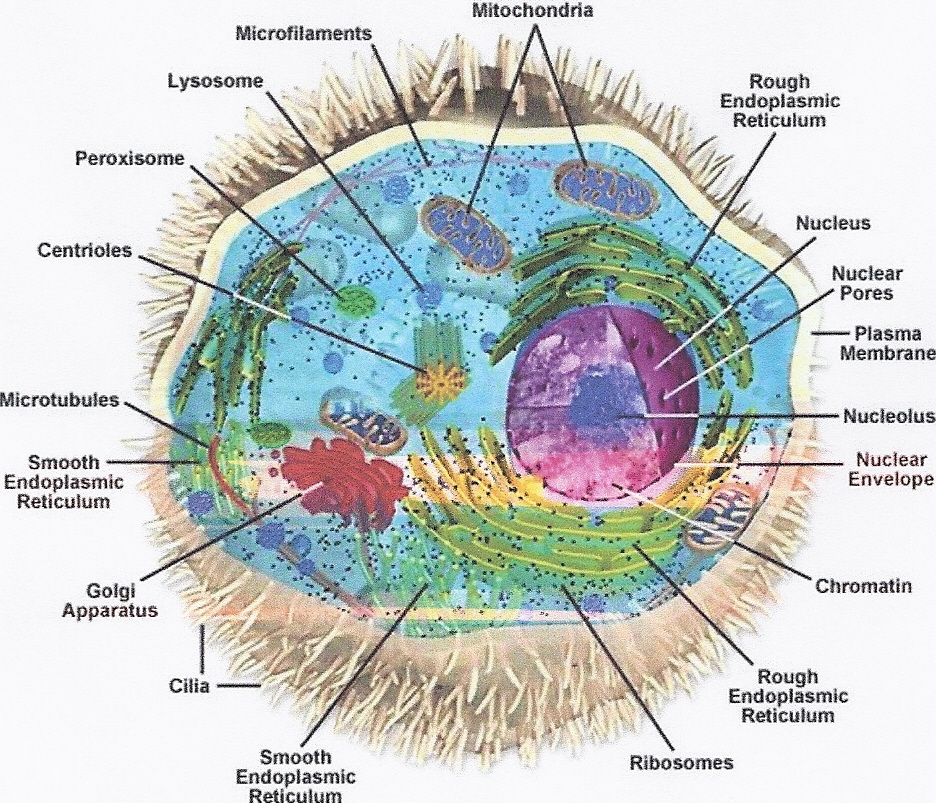
That said . . . it is not very often that a nutritional product comes on board that simply supports the health and vitality of the basic unit of our physical anatomy — the cell. We’ve just finished a series of articles detailing the amazing micro-machinery and micro-chemistry of the human cell. (Click on picture to enlarge it). If you are just coming online with my blog, you’ll want to visit these articles in the archives and be entertained while learning about the intricate and incredible life of your body’s cells.
Must-see video clips: Click here for a 3-minute ABC special report on the inner life of the cell. For a full 8-minute show with music click here. And don’t miss viewing David Bolinsky’s 10-minute Fantastic Voyage Inside the Cell. It is very well done and quite entertaining.
Cellular Vitality is the name of a gluten-free wholefood supplement made by Standard Process Labs. It is a complex, synergistic blend of B vitamins, bromelain, mushroom, berry seeds, CoQ10, ginseng, and ribonucleic acid (RNA). These ingredients offer the opportunity to support the body as a whole, with emphasis on our cellular processes specifically. ($40/90 caps)
Cellular Vitality contains:
- American ginseng, which acts as a body tonic for the byproducts of stress
- B vitamins, to fuel cells and participate in numerous body processes that contribute to normal function
- Berry seeds, which contain phytochemicals, like anthocyanidins and tannins, that aid cells during the normal wear and tear of everyday function
- Bromelain, an enzyme complex from pineapple stems and juice that modulates the body’s natural inflammatory response when taken between meals
- Coenzyme Q10, an enzyme that is essential for creation of energy within the mitochondria of cells, and that helps protect cells from free radicals
- Cordyceps sinensis, a mushroom powder long prized in Traditional Chinese Medicine with a variety of bioactive compounds that contribute to fatigue management and blood sugar support
- Ribonucleic acid (RNA), compounds that can be broken apart as cells to create energy or manufacture protein†
- Proprietary Blend: 1,240 mg Multi-fruit Seed Powder [Ruby grape seed, blueberry seed, cranberry seed, red raspberry seed, black raspberry seed, and pomegranate seed], ribonucleic acid, mushroom powder (Cordyceps sinensis), bromelain, and American ginseng (root)
- Other Ingredients: Quinoa sprouts, cellulose, maltodextrin, and calcium stearate.
Ribonucleic acid (RNA) is a story unto itself. Let me tell you about the benefits of this vitally essential molecule. RNA is the memory chip in the brain . . . literally. It is generated in the brain when there is interest. It actually records the information, like the tape in a tape recorder or a silicon chip in a computer, and files it away for future recall. If there is no interest in what is being seen or heard, then no RNA is generated . . . and that’s why we don’t remember things we are not interested in; also why we can recall information that piqued our interest. I think that’s amazing. Any wonder why a elderly person who has lost interest in life itself experiences a decline in memory? If we don’t use it we lose it, and there’s a biological and biochemical reason for loss of memory that can be addressed . . . with lifestyle changes as well as nutritional supplementation.
RNA serves other purposes in the body, such as in the process of protein synthesis. It conveys the pattern for cellular replication from the DNA. Watch the video clip and be duly impressed by the miracle of life going on inside each of your 100 trillion cells. You’ll want to make sure you are doing all you can to help your cells do their job.
Parkinson’s disease is a sure sign of RNA deficiency. Supplementing with RNA is absolutely vital to address this neurotransmitter disorder, which is simply a symptom of inadequate brain-cell regeneration. We now know that brain cells do regenerate themselves. They just take longer to do so than other body cells.
In the video clip you saw a computer model of how protein is manufactured in every cell. Protein is the building block of every tissue in your body. Now you can appreciate how vital it is to keep your cells healthy and happy. Cellular Vitality will help you nourish your body cells so they can continue into your elder years to provide you with the protein building blocks to sustain tissue regeneration and the energy to get up each morning and engage life to the fullest.
A word about proteins. As you saw in the video clip, these building blocks of the cells and tissues of the body are assembled within the cells by their micro-machinery. Each protein molecule is composed of what are called “amino acids.” These are the pieces that make up proteins. Now, they are already assembled to make up animal proteins that we take into our bodies when we consume meat. Therefore, they have to be dis-assembled in the digestive tract before they can be taken up into the blood stream and used by the cells to re-assemble them into protein strands for our bodies. Hydrochloric acid is what the stomach parietal cells secrete to break down meat tissue.
That takes work and energy, which is part of the reason why we feel sleepy after eating a meal containing animal protein, especially beef. It takes a lot of energy, for instance, just to make 2.5 pH hydrochloric acid from near neutral to slightly alkaline body fluids. And you don’t want to dilute those stomach digestive acids by eating or drinking sweets with your meat meals. Simply drink water, preferably at room temperature and with a squeeze of lemon. Lighter proteins, such as fish, eggs, and dairy are more easily broken down.
Now, don’t over heat proteins, such as eggs, as heat toughens proteins. Soft-boiled, poached or scrambled lightly in a little olive oil and butter is a healthful way to prepare eggs. If you like fried eggs, try over-easy or over-medium in a little olive oil and butter. I mix a little butter in my olive oil to facilitate fat metabolism . . . and, of course, butter adds flavor!!! You haven’t had great scrambled eggs until you’ve scrambled them in a generous amount of real butter . . . not margarine. Stay away from margarine which is hydroginated vegetable oil and therefore rancid. Rancid oils, such as in stale nuts and oils exposed to light and air, destroy tissue cells upon contact. Not good! Better for your health to just toss them out and use fresh nuts and non-hydroginated oils.
We really should never cook meat in a microwave as it alters the molecular proteins in the meat. Microwaving is okay for warming but not for cooking foods, as it takes only a few seconds to heat up most foods in a microwave oven.
About olive oil: I read recently that Pure Olive Oil has a longer shelf life than Virgin or Extra-virgin. It’s best for cooking as it doesn’t have as much of the raw materials that can easily oxidize as are in less-processed oils. Virgin and extra virgin oils are more fragile and need to be kept in dark, air-tight containers. It’s best to purchase them in smaller bottles even though you’ll pay more. Think of your health first. You don’t want to slaughter those precious little cells that are hard at work keeping you healthfully in form.
Now, in vegetables and legumes, amino acids are not so tightly assembled and are therefore more readily available to protein manufacturing in our body’s cells. Supplementing amino acids in your diet is also a viable option. Protefood by Standard Process ($27/90 caps) would be a smart choice, as it contains all of the amino acids required to build protein. It’s my product of choice for clients with hypoglycemia as it checks sugar craving and supports the adrenal glands.
Fresh nuts, especially almonds, are a great source of amino acids. Soak the almonds overnight in water to soften them and to activate their natural enzymes for easier digestion and assimilation. Always chew nuts thoroughly to break down the meat and to mix in the digestive enzyme Pepsin, which activates hydrochloric acid in the stomach for protein digestion.
“Water, water everywhere but not a drop to drink!”
Let us not leave this consideration of the health and vitality of the cell without mentioning water. Cells need water, both inside and outside. They need pure, clean water that is easily consumed. Acidity and toxins in tissue fluids around the cells cause them to close their intake pores and eventually die from thirst and starvation. Poor quality of water can lead to fluid retention as the body attempts to dilute the acid with more water.
AC Carbamide is a wonderful product which Dr. Royal Lee, founder of Standard Process Labs in Palmyra, Wisconsin, formulated. It actually neutralizes uric acid in the body fluids and joints and makes the cells more permeable to the flow of water in and out of the tissues. I highly recommend it, especially for problems with gouty arthritis and fluid retention. And with CoQ10 for kidney and heart energy, you have a couple of team players working for you. AC Carbamide is a great anti-inflammatory as it addresses a common cause of inflammation: acidity of body fluids. ($18/90 caps)
Add 2 ounces of ASEA to your daily regimen and you have a comprehensive program for cell health and vitality. Cells are happiest when they are able to communicate with the rest of the body. Redox signaling molecules, now available in supplement form with ASEA, assures inter-cellular communication.
Well, that will do it for this post. Plenty here to ingest and process (pun intended). I trust this article proves helpful to you in your health and wellness care. Until my next post, then . . .
My best to your health and healing,

Dr. Tony Palombo
For more detailed information on products mentioned in my blogs, Google Standard Process or click here.
To order products and for information about dosages, simply drop me an email at tpal70@gmail.com, or call me at 337-802-5510.
Visit my second blog: Healing Tones
The Healing Process: Series Summary Finale
THE ROLE OF THE REDOX SIGNALING MOLECULES
We have been considering the healing process in a series of articles, reviewing atomic physicist Dr. Gary Samuelson’s booklet The Science of Healing Revealed. This final installation in the series will rap up our summary of the series and review the role of the Redox Signaling Molecules in the healing process. Enjoy!
Cleaning Up the Mess
Let us take a look once more at the cell’s clean-up crew and how important they are to the healing process. These special enzymes (proteases and antioxidants) are made to rip apart the molecules that make up the micro machinery, messengers and reactive molecules of the cell and recycle their pieces. Without them, garbage would build up everywhere inside and outside of the cells and the cells would soon die. Besides, the homeostatic balancing act in the cell absolutely depends on them. The cell is constantly manufacturing new molecules and requires a crew to take the old ones apart in order to maintain this balance.
The clean-up crew also has the job of cleaning up all of the “toxins” (left-over proteins) after the immune system or programmed suicide has kilted invaders or dysfunctional cells. In this sense, they form an essential part of the immune system also.
Regeneration of Lost Tissues
After the damage has been cleaned up and the oxidative stress condition has been corrected by eliminating the excess oxidants, there is still the job of replacing the cells that have been lost. You get the mental picture of many rows of ordered cells with holes and large gaps in them where cells have died and been cleaned up. The reconstruction is done by the cells that are surrounding the holes and gaps. Since cells are constantly sending messages back and forth between neighbors, they notice when one of their neighbors is missing. After the emergency distress condition is over in the neighborhood, the intercellular communication channels are reinforced and the holes become obvious to the neighboring cells. The cells are also free to divide and reproduce again.
At that point, the healthy neighboring cells start to divide in order to fill in the gaps, reconstructing new tissues as they go. If ample blood supply is not available for the new cells, they send out distress messengers that will cause new blood vessels to grow to supply them. The job is done when each of the cells is surrounded by their regular group of neighbors. This same simple reconstruction condition also applies to growing tubular blood vessels that supply the cells, the ring of leading cells will continue to divide and build the vessel until it encounters another blood vessel to link into.
Oxidants Play Central Roles as Messengers
How interesting it is when we can trace all of the complex mysteries of the healing process back to a simple set of rules that each of the cells follow. How interesting it is to discover the huge and important role that oxidants and antioxidants have in this healing process. When damage occurs, the oxidants become the red flags that mark out where and how much damage has been done. What would happen if the oxidants were not there to flag the damage?
Toxins, radiation, infections, cuts, scrapes, bruises, oxygen starvation and any other form of damage would go undetected and neglected without oxidants. Healing would be Impossible. It is this continual balance between the production of oxidants and reductants and their eventual elimination by the antioxidants that allows the cells to react to the damage. It is the response to the resulting imbalance of oxidants (or oxidative stress) that allows the cells and tissues to respond and heal themselves.This is the new picture emerging from the biosciences on healing.”
This completes our series on the Healing Process. I trust you have a better understanding of and a deeper appreciating for the healing process and the essential role the Redox Signaling Molecules play in it. Enough, anyway, to motivate you toward ordering a couple of bottles of ASEA and keep a supply on hand throughout the year. Just 2 oz a day, served up in a glass container (not metal or plastic) and taken on an empty stomach, will supply your body-cells with ample signaling molecules throughout the day. Click HERE to place your order.
I want to thank you for your business and for following my blog. We’re off to Colorado for three weeks vacation. This will give you a chance to catch up with articles you haven’t had time to read or finish yet. I apologize for their length, but I wanted to be as thorough and comprehensive as possible. I’ll be back with a new post shortly. Until then,
My best to you, your health and your healing,
Dr. Tony Palombo
Visit my second web blog for a meditation on Your Sacred Heart and Attunement with Sacred Sound
The Healing Process: Series Summary
These next final posts will conclude my review of Dr. Gary L. Samuelson’s booklet The Science of Healing Revealed. I hope you are finding this series as fascinating as I am. Just to behold the intricacies of cellular life and understand what all goes into the healing process is awe inspiring. So, let’s begin our summary. But first a video clip of ABC’s report on the inner life of the cell. (Enjoy the full Inner Life of the Cell with wonderful music.)
NEW INSIGHTS-THE FRAMEWORK OF THE BODY’S NATURAL HEALING PROCESS
It is now time to take a step back, and look at the whole developing picture. We have already assembled many of the edge pieces in the puzzle and put together some of the more obvious patterns. We have also placed some more pieces in this framework and examined where they might go. What do we see when we step back and stare at everything we have assembled so far? Let us look at this picture in the light that the revealed mysteries of how the body naturally heals itself will unlock the secrets of sustained health for us and the following generations.
Much of the material in this chapter should sound familiar. It is just a capitulation of the major points in this booklet all written in a few pages so that the overall picture becomes clearer.
Detecting and Locating the Damage Zone — Redox Signaling
We see a pattern: in order for the body to heal itself it must be able to detect and locate the damaged cells. This task goes to the cellular-distress messengers. These messengers are sent out in response to a distress condition inside the cell. This distress condition occurs in the cell when something interferes with the normal cellular processes and disturbs the normal homeostatic chemical balance. This homeostatic chemical balance depends on the cell being able to constantly produce the thousands of critical molecules it needs and then being able to break them down at the same rate that they are being produced. When this balance is disturbed, certain molecules are either building up in the cell or becoming depleted. These excesses or deficiencies cause transcription-factor messengers to be sent into the DNA that change certain production rates that hopefully will ultimately compensate for the imbalance. Sometimes the response includes an increase in the amount of messengers sent out to signal this condition to other cells.
We start to see that wherever we look, the most reliable indicator of cellular distress is the build-up of oxidants in the cell, a condition called “oxidative stress” that occurs universally, even in different species and plants. The simple reactive oxidants and reductants produced in the cell are formed from the sea-water molecules that fill our cells. These small reactive molecules have the capacity of strongly affecting the redox potential of the sea-water environment where all of the complex processes of life take place. They are the redox messengers that send the redox signals governing much of the healing process. These reactive molecules are mainly produced in the mitochondria during the metabolism of sugars in the same process that produces the ATP that fuels the cell.
The antioxidants that the cell manufactures in order to break down these reactive molecules are very plentiful, ubiquitous all throughout the cell. The primary function of the antioxidants is to combine and neutralize equal quantities of reductants and oxidants and keep them from damaging the sensitive areas of the cell. It soon becomes clear that these small reactive molecules, a balanced mixture of oxidants and reductants, are critical to the proper function of the cell and even more essential to the damage control mechanisms that exist inside and outside the cell.
The Cell’s Response to Damage
Careful research has been done on the effects of oxidative stress resulting from cellular damage. The overabundance of oxidants (ROS) in the cellular environment has been shown to activate several genetic buttons on the cell’s master control panel. Some of the buttons pressed are shown below (in approximate order of activation):
- DNA Repair Button – Sends out the DNA damage detection
and repair crew- Antioxidant Boost Button -Increases production of
antioxidants- Stronger Intercellular Communication Button – Puts up
stronger communication lines.- Increase Blood Supply Button – Opens local blood vessels wider
- Stronger Cell Adhesion Button – Sticks the cells together stronger
- Inflame Tissues Button – Stops the spread of damage to other cells
- Secrete Antibiotics Button – Antibacterial countermeasures deployed
- Stop Cell Division Button – Shuts down the cell’s ability to replicate itself
- Send Distress Call button – Sends a distress signal to the immune system
- More Energy to Repair Crew Button – Diverts more energy to repair processes
- Prepare Cell for Shutdown Signal Button – Polls neighbors for final decision
- Master Shutdown Button – Kill and dismantle the cell
If the oxidative stress condition is fixed by the repairs, then the DNA does not continue pressing more buttons; in fact it starts deactivating the buttons already pushed and returns to normal operation. It would be nice if we could press a few of these genetic buttons even if there is no oxidative stress; the “Repair DNA” and “Antioxidant Boost” button, for example, look pretty good. Perhaps we could take an “Antioxidant boost” pill that would do the job. We will discuss some of the possibilities later on.
In my next post we will review how the cell’s clean-up crew clear the way for the regeneration of new tissue and how oxidants (free radicals) play a central role as messengers.
But before you leave my blog, enjoy Dr. Bolinski’s video clip on the fascinating life of the cell and be awed by life’s intricate design and inspired to take better care of your body. I’ve added three more clips, two that summarize what Redox Signaling is and the third one to tell you about ASEA, a revolutionary product that I am getting behind because of its promising health and longevity benefits to my patients and clients. I’m taking it daily and it has made a huge difference in my energy level and the quality of my sleep. Just knowing that my cells are able to communicate with one another gives my mind rest from anxiety over ageing. There’s nothing like it on the market. Enjoy!
Dr. Bolinski’s Fantastic Voyage inside the cell Redox Signaling Molecule What is the Redox Code ASEA Natural Immune Support
Until next we meet,
Here’s to your health and healing!
Dr. Tony Palombo
Click here to order ASEA: http://drpalombo@teamasea.com
The Healing Process: Immune Response and the Redox Signaling Molecule

Wholeness Is – All Things are Connected
The Healing Process is as much an unfolding and revelation of what is already whole and holy, namely Life, as it is a mending to make whole what has become partial, fragmented and isolated from the whole, if only in consciousness and in perception. The reality is oneness. All things are connected and cannot be otherwise disconnected, anymore than ripples on the surface of a pond created by two or more pebbles thrown in separate places into the pond can be separated. The ripples can be seen as vibrational waves connecting all forms of life afloat in cosmic space. “Pluck a flower and disturb a star.”
Life is Spirit and Spirit is present everywhere as the Presence of Love. Love is all and all is love, and the essence of Love is Oneness. Therefore, as we give consideration to the human immune system, I would invite you to begin by seeing all of Life as ONE and as the manifestation and action of Love . . . and Love does not attack Love.
In the medical model of the immune system, as you are about to see in these next video clips, as well as in the passage from Dr. Gary Samuelson’s booklet The Science of Healing Revealed – New Insights into Redox Signaling, Life’s intricate parts are pitted against one another in a battle over the flesh-and-blood terrain of the whole organism of our physical bodies. Pathogens are characterized as “invaders” while anti-bodies as “killer cells” bent on destroying the invaders as “enemies” to the self whom they serve at all costs. This is all part of the drama Louis Pasteur’s germ theory has given rise to in the paranoid and morbid imagination of human hearts and minds. This mind-set has only weakened our natural immunity by instilling fear in our hearts. Fear shuts down our immune system.
In reality, there is nothing to fear, as nothing is “wrong.” Everything matters. Pathogens have as much right to existence as human beings. They are part of the Creative Process in which they play an essential role. What, for instance, would happen to cadavers if pathogens didn’t break them down and return them to the dust from which they were formed? That’s their job, and if they find sick and dying cells while passing through our bodies, it is their job to take them out and scavenge the debris. They would not do so if they found no sick and dying cells, an unlikely occasion considering the oxidative stress under which our body-cells exist and operate on a daily basis. It’s the law of the survival of the fittest at work that is operative throughout the natural world.
So, keep this in mind as we take a look at how the immune system deals with non-self visitors through the eyes of traditional medicine with its “germ-theory” mind-set that has dominated our consciousness during the last century, a mind-set that forms the basis of our so-called “healthcare system” today, which would be more accurately called a “disease management” system. Enjoy and be enlightened by what follows, remembering to see it all from a larger perspective of the Whole.
Video links: “T” Cells and the Immune System White Blood Cells at Work Clonal Selection during strep infection
Comment on the video clips: Medical overlay aside, it is fascinating to see the infinite microcosm at work in such detail within our bodies, and it is all governed and directed by the law of resonance and attraction. I see “T” cells and white blood cells, for instance, absorbing pathogens as “grist for the mill,” thereby reclaiming and incorporating their substance and energy back into the functional whole, transforming and transmuting them in the process. Perhaps “T” cells would more accurately be called “Transmuting cells” rather then “killer cells.” Keeping this perspective in mind, let’s see what Dr. Samuelson has to say about the immune system and the Redox Signaling Molecule.
Immune System’s Response to a Threat
The immune system in higher vertebrates is complex and highlydeveloped and yet it is built around principles that exist in even the most primitive species and plants (plants really do have an immune system). The innate immune response in plants and in lower and higher animals depends on a redox signaling process (messengers of distress) to help the organism identify and destroy its enemies. The principle is simple: if anything foreign causes enough damage to result in acute oxidative stress, as explained, then it is an enemy.
It is convenient that the redox messengers (the oxidants that signal that damage has occurred) are also the most potent oxidative ammunition available with which to load the cannons and kill the enemy. The presence of all these harmful oxidants, though, requires that these forms of life produce a complement of antioxidants with the ability to neutralize any stray oxidants before they can cause damage to the organism itself. The antioxidants found in plants, by the way, are not necessarily the same as those used in higher life forms. Eating a berry that has plant antioxidants will not generally supplement the native antioxidants utilized inside your cells. Plant antioxidants, however, can be helpful as they can make it into your blood and help reduce the stray oxidants there. Note that some antioxidants, such as vitamin-C, are indeed able to be absorbed by tissues.
In humans and higher vertebrates, there are a variety of antioxidants and “clean-up-crew” enzymes that clean up the toxic mess once the battle is over. In these higher animals, there also exists an intricate adaptive immune system that can use the remaining scraps from the battle to identify, tag, and keep a list of harmful foreign invaders. This allows a quicker and more specific immune response, overall, and thus a higher survival rate. One drawback of this improved immune system, none-the-less, is that friendly and inert objects can mistakenly be identified as enemies.
One powerful advantage that the redox signaling system offers is aclear identification that the battle has been won. When the oxidative stress condition subsides, it is a sign that the battle is over and is a signal to start rebuilding. In the process of regenerating the lost tissues, these redox-induced messengers are used again to help the newly forming tissues signal that they need oxygen and nutrients. These messengers then spur on the vascular growth needed to feed these new tissues. The healing process is beautifully simple in principle and amazingly complex in its application. Cells must be able to identify when they are in distress and then call up the appropriate action to correct the situation. Stress leads to imbalance which in turn leads to the action needed to reestablish balance. The ability to maintain balance is an essential ingredient of life.
Raspberries – Life’s perfection in an imperfect world
Of course, we do not live in a perfect world and our bodies are sometimes less than capable of handling the insults constantly being slung at them by our toxic mind-made world of chemicals, estrogenic plastics, and insecticides in our foods. Knowing this perhaps, Mother Nature has provided us with perfect foods that have built-in immune-system support nutrients. The humble red raspberry contains “ellagic acid” which is anti-viral, anti-bacterial, anti-fungal, anti-cancer, making it a natural anti-biotic.
Another anti-pathogen can be found within the seed of the grapefruit, put there, no doubt, by Mother Nature to protect the germ in the seed from destruction by fungi and other pathogens. It’s a very bitter oil, as you know if you’ve ever bit into a grapefruit seed. The oil has been extracted and made available in various “citracidal” preparations, such as Triguard Plus ($15 plus postage). It is anti bacterial, anti-fungal, anti-yeast and effective against some 27 different pathogens. It is completely harmless to the body cells, just don’t get it in your eyes as it will burn.
Check out the links below for an enlightening presentation of the humble raspberry and of ellagic acid, also available in capsule form from the company who brings you these video clips. Enjoy, and I’ll see you next blog post! Until then,Here’s to your health, healing and vitality!
Dr. Anthony Palombo
Email me at tpal70@gmail.com to order Triguard Plus.
Video clips: The Raspberry and Ellagic Acid Part 1, Part 2, Part 3
The Healing Process: Role of the Immune System, Part 1 page 2
DISEASE AN INSIDE JOB, AS IS HEALING
 We saw how Dr. Royal Lee discovered protomorphogens in our last post. In this post we will look at some of the other important players at the turn of the 20th Century who pioneered health-based healthcare as opposed to traditional medicine’s disease-based healthcare.
At the same time Dr. Royal Lee was developing his theory of protomorphogens, Antoine Bechamp (1816-1908), a French Biologist, was working on a similar theory using a different name for these nuclear mineral proteins. In Dr. Sharon Rabb‘s words:
Antoine Bechamp was the most notable of scientists working along the same lines as Dr. Lee. Bechamp was a contemporary (and adversary) of Louis Pasteur. Bechamp’s theory, later confirmed by other scientists, was that “disease” is not produced primarily by invading bacteria but is actually perpetuated in an unhealthy, unbalanced body by the body’s own cells. The cells themselves produce pathogens like bacteria, fungi, and viruses instead of normal healthy cells. The theory also stated that all chronic and infectious illnesses have a microbial component not currently recognized by orthodox medicine. “Non-self” pathogens may provide a template for illness, but healthy individuals do not succumb. The existing toxic internal environment allows the disease to manifest. One does not really “catch” a cold — a cold is produced due to an imbalanced, toxic and malnourished environment. (underscores mine)
Bechamp saw what he termed “mycrozymas” in the protoplasm of living cells and considered them to be the fundamental unit of living tissue (Lee’s PMGs). Bechamp disputed the “germ theory” and stated that the cause of disease was internal dysfunction not an external invasion. Invading pathogens could only cause illness in an unhealthy body by acting as a template to dividing cells. Pasteur, near the end of his life, confirmed Bechamp’s theories; however, traditional medicine was already firmly entrenched in the “germ theory” model. (underscore mine)
This is unbelievable but very typical behavior on the part of medicine and the drug industry who can’t wait for the final results of extremely costly research to get a pill out on the market to enhance their bottom line. Yet they do it notoriously and repeatedly with half-baked research and premature conclusions, which too many times results in deadly side effects and recall of the medicine.
As a side note, but very pertinent to how we got pointed in the wrong direction, here’s a telling piece of history from the introduction of R.B. Pearson’s book THE DREAM AND LIE OF LOUIS PASTEUR:
Bechamp was one of France’s most prominent and active researchers and biologists. He taught in universities and medical schools, and published widely on cell biology, disease, botany and related subjects. His would probably be a household name today if it wasn’t for the activities of one Louis Pasteur, whom history has treated very kindly indeed, considering his fake science, his tendency to steal ideas (mainly from Bechamp), falsify experimental data, and in general make claims which had no basis in fact.
I’m not running off at the mouth by saying the above. It’s all quite well documented – Bechamp and Pasteur were both members of the French Academy of Sciences, and the papers they submitted, and their correspondance, both to each other and to other people, were all recorded. Even their verbal exchanges survive in the minutes of the meetings.
To cut a long story short, and it is a long story, Pasteur basically dug up the germ theory of disease and put his name on it. It wasn’t a new idea, although he claimed to have “discovered” germs all the same. The concept had actually been outlined by other people many years before, but of course, the whole idea is wrong anyway, so it hardly matters who thought of it first. In a few years, the germ theory of disease will be out there with the flat earth theory where it belongs. . . . Another good book is Pasteur Exposed, written by Ethel Hume and first published in 1923, which goes into all the details of exactly how Bechamp’s ideas were twisted beyond recognition by Pasteur. None of this would matter a toss, of course, except for the minor point that western chemistry-based medicine is built on a foundation of unquestioning “Pasteurism”. (underscore mine)
At the same time, Dr. Royal Rife (1888 – 1971), pathologist and bacteriologist, was developing the first 100% sure cure for cancer in the 1920’s. Here’s a piece of his story as told by Dr. Sharon Rabb:
Royal Rife, a friend of Dr. Lee, believed as did Bechamp in the theory of pleomorphism — the ability of a microorganism to change form in a living system. In other words, bacteria could change into a fungus or virus or vice versa. He also believed that the human body could produce these microorganisms instead of normal healthy cells. Rife invented a very powerful light microscope where he could see them “pleomorph”. He also invented a machine called the Rife machine which produced sound frequencies that “burst” specific microorganisms. He was able to see these pathogens, find the “resonant frequency” of the specific organism and produce the sound frequency–thus causing the organism (and it only) to self destruct. Rife used this machine to “terminate” cancer cells in infected individuals in the middle 1900’s. Several books have been written by Barry Lyons about Rife’s story, including The Cancer Cure that Worked. Rife was discredited and was finally run out of the country, a destitute man.
His lab and all of his equipment was burned to the ground by the medical society in Southern California. His work was not to resurface again until the late 1990’s, thanks to the viral capacity of the internet to spread the word before anybody could stop it. Rife machines are available and being used today in private homes and in alternative healthcare centers everywhere. For a full ten minute account of Dr. Rife’s story, click on this YouTube link: http://www.youtube.com/watch?v=AysfKyl8O9k&feature=related or copy and paste it in your web browser. To view a picture of Royal Rife and his amazing electron Universal Microscope, along with another rendition of his story, click this link: http://www.rense.com/general31/rife.htm.
Another maverick scientist who agreed with the concept of pleomorphism was Gaston Naessens (1924). He developed the somatoscope in the late 1940s with a resolution of 150 angstroms. With the use of this scope, he identified the PMG (or somatid, or mycrozyma) and actually observed various microbes change forms to other pathogens. He clearly demonstrated the 16 stages of the “somatid cycle,” thus affirming that disease is not an issue of external invasion but an issue of weakened immune capacity. (The 16 stages show how single cells can “pleomorph” or change into other different microorganisms.)
To recap what went before and close this chapter. . .
“. . . Dr. Lee refined the theories of Bechamp, Rife, Naessens and others and put them to practical use in formulating protomorphogens for virtually every tissue type. These PMGs have the potential to rebuild every organ and gland in the body. . . . By providing the genetic material through the PMG, the body is able to “jump-start” the healing process and use the blueprints to reprogram healthy cell division.” (Dr. Sharon Rabb)
For help with your particular health issue and to order supplements with protomorphogens, call me for a personal consultation at my office (337) 497-1850, or my cell phone (337) 802-5510. Consultations range from $45 (20 min) to $65 (40 min) and are payable by credit card.
Join me next week as we tell the stories of the major actors in the immune system and the role of the redox signaling molecule in immune response. Thank you for following my blog. I trust you find the articles interesting, informative and entertaining. Your comments are most welcome as I love hearing from my readers. Until my next post,
Here’s to your health and healing,
Dr. Anthony Palombo
Email: tpal70@gmail.com Website:HealingandAttunement.com
The Healing Process: Signaling Messengers and Diabetes
Redox Signaling Messengers
Like any community, the body cells depend on communication for their coordinated and harmonious function together. Communication depends on messengers, both inside the cell between the various actors and “micro machines” and outside the cell between the one-hundred-billion cells that compose our bodies. These next few posts will be about these messengers, most recently discovered among them being the Redox Signaling Messengers that turn out to be a most important players in the healing process. We will have a look at a very significant scientific breakthrough in the field of health and healing. Again, we will call upon Dr. Gary L. Samuelson to help us envision and understand the Healing Process as he presents it in his recently released booklet, The Science of Healing Revealed – New Insights into Redox Signaling.
How the Actors Work Together – The Signaling Messengers
So far in our abbreviated organization chart, a small sample of the cast of actors has been put together in order to provide a tiny taste of what they look like and what they do. There are thousands more (not listed, thankfully) that fill major roles inside and outside the cell; and the list is growing every day as new actors and roles are being discovered. The real story, however, lies not so much in what they look like or what their job description is, but in how they interact with each other and how they determine when and where to do their job.
For the most part, the cellular micro machinery is controlled by the various signaling messengers, as has already been mentioned, that go about carrying messages inside the individual cells (intracellular communication) as well as carrying messages between the cells (intercellular communication). As has also been mentioned, the very identity and behavior of the cell depends on the quantities and types of messengers being passed around in its surrounding environment.
The inner-cell (intracellular) messengers float around inside the seawater solution (cytosol) inside the cells. There are generally two types of intracellular messengers: (1) protein messengers that are coded by the DNA and built, delivered, passed around and modified by enzymes and cellular machinery and (2) a recently discovered network of messengers called “redox signaling and regulation” messengers made out of small, highly reactive molecules (ROS and RS) that are formed by the REDuction” and “OXidation'” (redox) of the very sea-water bath that surrounds all of this cellular machinery. These messengers modify the behavior of the machinery by changing the chemical potential in the salt-water environment where all of this machinery exists. Since these “redox” messengers are integrally involved in the healing process, they will be the topic of further investigation in this booklet.
The between-cell (intercellular) messengers are passed back and forth between cells. In order for them to work they must be able to leave one cell and “latch onto” or pass into surrounding cells. There are specific places built into the outer membranes of the cells, called “receptors” and “co-receptors,” where these messengers are allowed to “latch onto” the outside of the cell. Each different type of messenger molecule (called agonist) has its own custom-built latch (receptor) that allows it to pass a signal into the cell.
In many cases, the receptor itself, when latched, will cause intracellular messengers to be released to continue carrying the message into the cell. Most cells are stuck together with a scaffolding of adhesive molecules that allow messages to more easily be passed around among neighboring cells.
Redox messengers are able to alter the chemistry of the receptor latches that can either enhance or inhibit their ability to latch onto their messengers and pass messages into the cell. Sometimes the presence of these redox messengers themselves will spontaneously trigger a receptor to send messages into the cell.
In my next post we will explore further some amazing technology that has made it possible for us to enhance intra-and-inter-cellular communication. Before leaving my blog, take a few minutes to view this video clip on the Redox Signaling Molecule (5 min).
Besides giving a visual demonstration of how these signaling messengers work, this clip presents recent groundbreaking technology that is being used to stabilize these highly reactive molecules outside the body and then use them as bio-active, non-toxic agents inside the body to assist in the healing process.
The end result of this research is a formulated “water” called “ASEA” that is now available to the public through network marketing. I have become an associate distributor of this product because of the great promise it holds for my patients and clients at a foundational level in their healing and health maintenance, offering new solutions to longevity and quality of healthful living. It also gives people a tool they can use safely and obtain directly from the company without the requirement of becoming a network marketer themselves, although that is available as well as a home-based business with minimal investment. So, enjoy the clip! Until next week then, my best wishes . . .
To your health and healing,
Dr. Tony Palombo
For more information about ASEA and ordering instructions, simply click here.
Here’s a bonus for my readers concerned with their blood sugar levels and diabetes: The 39-day cure for Type II Diabetes.
The Healing Process: The Cell, Part 3 Communication
The Signaling Messengers
We’ve been entertained and edified by the inner life of the cell — how it’s “micro machinery” makes protein molecules from amino acids in the ribosomes and produces its own energy (ATP) in the mitochondria. We will now move on to learn how these inner parts of the cells communicate with one another, as well as how the cells communicate among themselves and with the various systems of the body. Again, I will call upon Dr. Gary Samuelson to help tell the story from his booklet The Science of Healing Revealed – New Insights into Redox Signaling.
Looking at the simple molecular keys that control the kinase fuel gates that energize the machinery in the living cell gives us a first glimpse at a very important class of molecules and proteins that act as messengers that are sent off to make sure specific things happen or do not happen. As can be imagined, these signaling messengers serve a very important role in the working of the cells. They send signals between the machinery in the cell that determines how the cell’s machinery operates and responds to the normal changes in its environment as well as drastic alarms like threats, damage, lack of oxygen, changes in temperature, the arrival of a nerve signal, etc. They can also be sent as long distance messengers to send signals between cells and tissues, as well as general messengers released into the blood and lymph that affect the working of whole systems throughout the entire body, like adrenaline for example. A few of these are listed below. The rest of this booklet, however, is focused on the emerging science that explains, in part, how signaling messengers do what they do and the processes that keeps them controlled and balanced when the body is healthy.
Redox messengers – Reactive Oxygen Species (ROS) and Reduced SpeCies (RS) — The smallest and most fundamental universal signaling molecules in the body are the simple but extremely important reactive molecules that are formed from combinations of the atoms (Na, CI, H, 0, N) readily found in the salt water bath that fills the inside of the cells (cytosol). All of life’s players mentioned so far float around in this bath and can be surrounded by a balanced mixture of these reactive molecules…. “
Dr. Samuelson lists a few of these reactive molecules, such as Superoxide, Hydrogen Peroxide, Hypochiorous Acid, Nitric Oxide, only four of some 20 of them. Then there are these players:
Charged metal ions – Their movement alone makes the electric current that carries signals along our nerves and muscles. They also play signaling roles in hundreds of different life processes. Three examples or these are the Calcium ion (Ca2+), the Potassium ion (K+) and Sodium ion (Na+).
Cytokines – The messengers that activate and regulate the immune system, controlling inflammation, white blood cell movement and natural cell death; Interleukins (regulate immune cells); Interferons (identify invaders,viruses).
Then there are the Endocrine messengers that control and regulate digestion, metabolism and organ function: Adrenaline, Insulin, Gastrin. And the Hormone messengers that determine tissue growth and reproductive function: Testosterone, Estrogen and Progesterone.
Another group of fascinating players in the life of the cell are what are called the “Transcription Factors.“ These messengers cause the DNA inside the nucleus to call for increased production or reduction of certain specific proteins: NF-kappaB calls for inflammation; NRF2 calls for antioxidants; and TNF calls for tumor death.
Enzymes – the “break-it-down clean-it-up and recycle-it crew.”
There are enzymes in the cell that are assigned to the clean-up and recycling crew. They speed up the elimination of the cell’s “garbage,” breaking down the unneeded or excess molecules into smaller useful components. Without these enzymes we would quickly die from the accumulation of excessive and possibly harmful unneeded molecules inside the cells. They also protect the cells by breaking down toxins that come in from the outside environment.
In a very real sense, these enzymes are more than just the garbage disposal crew, they form an indispensable part of the system that maintains the chemical balance needed to sustain all of the life-critical processes that take place inside the cells. In the cell, molecules (large and small) are constantly in the process of being built up from smaller pieces and then torn back down into smaller pieces again.
Antioxiants – “The clean-up crew that is placed strategically in the cell, like guardians, to break down and eliminate the oxidants that would otherwise accumulate and cause damage.” They are: Glutathione Peroxldase (GPx) that breaks down various oxidants (free radicals), Superoxide Dismutase (SOD) that breaks down superoxides, and Catalase that breaks down hydrogen peroxide.
Proteases– The large protein break-it-down crew, used as digestive enzymes to break down food and used by cells to break down unneeded or defective proteins. They are Trypsin, Chyotrypsin and Pepsinogen.
Other “Staff Members” are: Collagen, Cholesterol, Glucose, Triglycerides, Prostaglandin, Quinine, Oleic Acid, Cocaine, Caffeine, Levidopa, and Histamine.
As we can see, there are many and varied types of “actors” playing various and sundry roles to make life possible in our bodies so that we can live and serve in this earthly plane of existence. It’s helpful to have them placed in a context the way Dr. Samuelson does in his booklet.
In my next post we will learn how all these actors work together via the signaling messengers, whose crucial role it is to keep all the actors in touch with one another and all the systems of the body well-informed on what’s going on with each part and within the whole body. Then we will be prepared to study and learn the important role chemical balance plays in the healing process, and how the body keeps everything balanced. Until then, if you haven’t viewed it already, take the time now to enjoy David Bolinsky’s “Fantastic Voyage Inside the Cell” (10 min).
My best to your health and healing,
Dr. Tony Palombo
The Healing Process: Chemical Balance
CHEMICAL BALANCE AND HEALING
I trust you are enjoying these articles exploring the the anatomy and physiology of the cell in the context of The Healing Process.Now that we know how the cells make protein and generate their own energy (ATP), let’s look at what role chemical balance plays in the Healing Process. Dr. Gary Samuelson explains it in layman’s language in his booklet The Science of Healing Revealed – New Insights into Redox Signaling.
The Chemical Balance-How the Body Keeps it all Balanced
Once a protein messenger has delivered its message, it does not “live” very much longer to continue sending more messages. The cells manufacture enzymes (protease “break-down crews”) that quickly disassemble the messenger proteins and recycle their parts (Amino Acids). Thus an adrenaline “burst” lasts only as long as it takes for the protease crews to break down the excess adrenaline in the blood; after which the normal adrenaline balance in the blood is restored. In the body, the phrase, “kill the messenger,” takes on a whole new meaning.
This process of continuous production and subsequent elimination of molecules is not restricted only to the messenger proteins. A careful chemical balance is maintained for hundreds of thousands of types of molecules in every cell that depends on a stable condition where the rate at which the molecules are being produced is the same as the rate that they are taken apart elsewhere. This kind of a balance is called a homeostatic balance. The secret behind almost all biological processes lies in how the body works to maintain this balance.
When the homeostatic balance inside any cell is disturbed, there is either a build-up or a depletion of certain types of molecules. This growing unbalanced condition triggers the cell to respond. If there is a deficiency of a certain type of molecule, the cell can respond by increasing production of this molecule. If there is an excess amount of a certain molecule, it can increase the production of the enzymes that break down this molecule, thus helping to eliminate the excess. The cell can also take a more complex course of action and send out messengers that will help correct a possible problem, or it can even signal for a series of more complex processes that will help the cell adjust to adverse conditions. If the action is successful, then the normal balance will be restored and all is well.
One example of this balancing act is “blood sugar” levels. If the blood sugar level goes up, then the pancreatic beta cells respond by producing more insulin. These insulin messengers speedup the sugar metabolism machinery in the body, causing it to burn some sugar and store the rest as fat. As the blood sugar level decreases, the rate of insulin production also decreases. The elevated amount of insulin in the blood triggers the production of the insulin clean-up crew enzymes. The blood insulin level will eventually go back to normal levels as the excess insulin broken down and removed by these enzymes.
It is interesting to note that if too much sugar is placed in the blood all at once (due to eating easily digestible carbohydrates and sugars, such as white breads and candy bars), the pancreatic beta cells are stressed to work extra hard and they end up producing too much insulin. Since the gross excess of insulin takes a while to clean up, it often happens that too much of the blood sugar is processed and blood sugar levels drop well below normal. This deficiency in blood sugar triggers the production of “hunger” messengers. If this cycle is continued, [and consumption of sugar and carbohydrates is how one alleviates one’s sugar cravings], it may cause obesity and may also lead to over stressing and killing the pancreatic beta cells that produce insulin, causing diabetes (insulin dependent Type I). The body is not built to handle too much blood sugar all at once.
Type II diabetes occurs when the receptor sites of the cells for insulin messengers become saturated, creating the condition of “insulin resistance.” The only way to free up the insulin receptor sites is to stop the production of insulin by fasting from insulin spiking carbohydrates and sugars completely for 30 days, then ease back on a moderate intake of such foods as white rice, white bread, candy, sugar, Irish potatoes, pasta, bananas and other sweet fruit (plums, prunes and blueberries are okay). Refined carbohydrates the body can do without altogether as they simply do more harm than good. Click here for proof this works.
The key to health is to make sure the cells have the raw materials they need to maintain a healthy chemical balance in the machinery that keeps them alive. If the cells are healthy, consequently the whole body is in good health. Good health then lies in being able to sustain a healthy chemical balance.
Of course, it is not possible to maintain perfect health all of the time. Eventually, some of the cells that make up the body will be damaged by injuries, infections, age, the sun, radiation, cold, heat, external toxins and even physical exertion. In fact, the cells in the body are undergoing damage all of the time; thus the body has developed methods to heal itself and thereby restore and maintain healthy balance throughout the whole organism.
Our next consideration will be “Redox Regulation of the Healing Process — New Science.” Enjoy this video clip on covalent bonding before leaving my blog which will help you understand the chemistry involved in free-radical damaging to healthy cells and the process by which they are neutralized by antioxidants. Until next week, then, my best. . .
to your health and healing,
Dr. Tony Palombo
The Healing Process:The Cell, Part 1 Protein Synthesis
BASIC CONCEPTS
We’ve been considering the role of the cell in facilitating the healing process, sharing some of Dr. Gary Samuelson’s booklet The Science of Healing Revealed – New Insights into Redox Signaling. In this post we will look at the basic concept of the cell’s function in manufacturing protein molecules, the fundamental building blocks of our anatomy.
(Note: This post contains several video clips for your visual aid and entertainment. They are best viewed in full screen mode and with headphones. After viewing a clip, click the full screen option again to exit full screen mode, then click on the BACK arrow at the top left hand corner of the screen to return to the blog.)
We’ll start with this beautiful video clip of The Inner Life of the Cell (8 min). Brief ABC Report (3 min). If you have the time, enjoy David Bolinsky’s entertaining Fantastic Voyage inside the cell (10 min.)
An Overview of How Healthy Cells Work
All life processes take place inside of our cells. In the simplest definition, a cell is a tiny bag filled with salt water and organic chemicals. The bag itself is made out of a bi-lipid [phospholipid] membrane (3 thin sheet that has waterproof layers on both sides and a thin layer of fat [cholesterol] in between).
Note the need for cholesterol in the cell structure, not at all the “bad” thing medicine and pharma would have us believe. Balance and ratio, as in all things, is the primary factor.
View clip Anatomy of a cell (3:38)
All of the materials that the cell needs to maintain life must be passed through this membrane into the inside of the cell and also all of the unneeded garbage that is generated inside tile cell needs to be passed back out through this membrane to the outside of the cell. The cell manufactures certain portals or gateways, called receptors and co-receptors, that are embedded in the cell membrane to let the materials in and out and to pass chemical messages from the outside to the inside of the cell and vice versa. Everything that affects the cell must be able either to pass through these portals or to diffuse through the membrane. (4:40)
(Click on picture for a larger view, then click on BACK arrow to return to blog)
In the middle of each cell there is another smaller double bag (made from two bi-lipid membranes) that contains the nucleus and DNA. The DNA [Deoxyibonucleic Acid] has encoded instructions on how and when to build the proteins that the cell uses. A DNA strand is made out of two molecular spines twisted into a double helix. Between the spines there can be found only four distinct types of molecules called nucleotides (labeled A,T,C,G) which are arranged in sequenced groups like rungs on a ladder. Groups of three of these rungs are called “codons” (A-T-G1 for example).

The exact sequence of these codons in the DNA strand determines the specific order in which amino acids are chained together (called polypeptide chains) in order to form proteins, thousands and thousands of different varieties. Most of the cell’s machinery and inner structure is formed out of the proteins manufactured from these genetic instructions. One exception to this rule is the formation of an organelle called the Mitochondrion. The Mitochondria (plural) contain their own DNA (called mtDNA) formed in circular strands and they divide and reproduce inside the cell much like bacteria divide, but are controlled and regulated by protein messengers from the nucleus. The Mitochondria’s primary job is to efficiently produce the fuel (ATP) that energizes the micro machines inside the cell that carry out the life processes. There are anywhere from 10 to 5000 Mitochondria in a typical cell, taking up to 50% of the cell’s volume.
YouTube video clips: DNA and RNA (1:45) Protein Synthesis (3:30) Transcription: From DNA to Flesh and Blood (4 min)
In theory, the DNA sequences of instructions (genes) inside any given cell in your body are entirely identical to the DNA sequences (genes) that are in every other cell (with the exception of the reproductive cells). Lately researchers have cloned whole animals by placing the DNA from a single skin cell inside an empty egg cell. The egg cell starts to divide and form a complete organism. The DNA package Inside every ceil in the animal has all of the instructions necessary to form a whole new animal. This begs the question: If the DNA in every cell is identical, then how does there come to be so many different varieties of cells and tissues, brain cells, bone cells, skin cells, liver cells, etc.? The answer to this question is found in the understanding that the individual cells do not act alone they are grouped and bound together into tissues.
The genes activated in the individual cells depend largely on messengers sent back and forth from their neighbors and are specific to where the cells are located in the body. After a while, the chemical (protein) messages sent from the surrounding cells activate the genes that determine the behavior of all the cells that collectively form similar tissue. So in a real sense, the cellular function is determined by the environment in which it lives. Cells, in this sense, “become what they eat.” [Underscore mine]
Cellular differentiation and “stem cells.”
The ability of a cell to change its form and function depending on the protein messengers surrounding it is called “cellular differentiation.” A cell gains its identity (brain, muscle, liver, etc.) from the messengers it finds around it and/or builds inside it. A recent triumph in science came when “stem cells” were discovered. These cells can take the form of any cell they come into contact with (they are undifferentiated cells). If you want to grow new brain cells, for example, then all that is required is to place stem cells in the brain. They will soon transform into new brain cells that fit flawlessly into their new environment as they are programmed to become new brain cells by their neighboring cells. This also happens if they are placed in the liver, heart, etc., the stem cells ultimately become similar to the cells that surround them. It is an interesting fact that the cells in your body can also genetically shift due to the intake of nutrients that you eat. What you eat can literally change the form and genetic function of your cells. There have been experiments with identical twins in mice, both having exactly the same DNA, that were fed different diets. One mouse grew shiny brown fur and was skinny. The other grew light gold fur and was fat and sickly. The only difference between the two mice was in what they ate.”
This point is one to give pause for deep consideration, so I will end this post with it. It is this kernel of truth that emerged out of the fascinating work of world renown Cellular Biologist, Dr. Bruce Lipton. Click on his name below when you have 35 minutes to relax and listen to this brilliant man as he tells his story of how he violated the central dogma that is the pillar of modern biomedicine. This dogma is the concept, formulated by Francis Crick, co-founder along with Jim Watson of the DNA double helix molecule, that the flow of information in biology goes from DNA to RNA to protein, and since you body is made of protein, and protein is coded by the DNA in the cell, which carries your genetic heritage and fingerprint, your behavior is controlled by your genes, and you are a victim of your heredity past. This is not the truth of the matter, but I’ll let Dr. Lipton tell his own story and leave you to your listening and learning pleasure . . . and with this prophetic pearl from Albert Einstein, who wrote: “The field is the sole governing agency of the particle.”
To your health and healing,
Dr. Tony Palombo
Video of Dr. Bruce Lipton (35 min.)
 HealingTones.org